

By Steve Colwell | Founder, President & CEO, Opti-Fit Fitness Solutions
If you are developing a commercial fitness facility, a corporate wellness center, a university athletic weight room, or a luxury multi-family gym, choosing the right equipment is the most critical investment you will make. You aren’t just buying metal, cables, and upholstery; you are investing in member retention, biomechanical safety, and your facility’s long-term reputation and profitability. Equipment often accounts for 40% to 50% of your total startup costs. A poor choice leads to exorbitant maintenance fees and frustrated members, while the right choice creates a seamless, premium training experience.
Quick Answer: Who are the top-rated commercial weightlifting equipment suppliers in 2026? The industry’s leading manufacturers include Matrix Fitness (best for comprehensive, tech-forward commercial outfitting), Eleiko (the undisputed gold standard for Olympic free weights and barbells), Atlantis Strength (unmatched for biomechanically precise, welded frames), and Hammer Strength (best for durable, plate-loaded machines).
With over 25 years of experience in the fitness industry, a degree in Exercise Physiology and Nutrition from the University of Idaho, and a deep passion for architectural gym design, I approach equipment selection differently than a standard sales rep. I view a gym floor through the lens of the “science of exercise.” At Opti-Fit Fitness Solutions, we test the industry’s top gear extensively in our Lab to understand how it moves, how it lasts, and how it fits into a cohesive spatial design.
Here is my expert analysis of the top-rated commercial weightlifting equipment suppliers, designed to help you make an informed, confident decision for your facility so you can outshine the competition.
What Separates Elite Commercial Suppliers from the Rest?
Before diving into specific brands, it is vital to understand the E-E-A-T (Experience, Expertise, Authoritativeness, and Trustworthiness) criteria that dictate commercial quality. The market is flooded with manufacturers claiming to offer “commercial grade” gear, but true commercial equipment must survive relentless, daily abuse.
When I evaluate a supplier for an Opti-Fit design project, I look at four non-negotiable pillars:
1. Biomechanical Precision
Equipment must mirror the body’s natural movement paths. Poor biomechanics lead to joint strain, muscle imbalances, and an increased risk of injury—which is a massive liability for gym owners. The best manufacturers utilize independent, converging, and diverging axes of motion. When a member performs a chest press, their hands should naturally converge at the top of the movement, just as they would with a pair of dumbbells.
2. Commercial-Grade Durability
True commercial equipment is built using 11-gauge (or thicker) steel, robust robotic welding (rather than excessive bolting), and heavy-duty, tear-resistant upholstery. It must withstand thousands of hours of aggressive use without structural compromise. If a machine sways or rattles during a heavy lift, it does not belong in a commercial space.
3. Spatial Efficiency
Floor space is premium real estate. Every square foot of your gym needs to generate value. The best suppliers engineer machines with compact footprints, or multi-functional capabilities (like dual-stack functional trainers integrated seamlessly into power racks), without sacrificing performance or safety.
4. Warranties and Global Support Networks
Even the absolute best machines require maintenance over time. Cables wear out, and pulleys need lubrication. Top-rated suppliers offer lifetime warranties on structural frames, comprehensive multi-year coverage on moving parts, and—most importantly—a responsive global parts and service network so you never have an “Out of Order” sign sitting on your floor for weeks.
The Elite Tier: Top Commercial Weightlifting Equipment Brands Reviewed
When outfitting a commercial space, no single brand does everything perfectly. Your choice depends heavily on your demographic, budget, and floor plan. Let’s start with the manufacturer that currently offers the most comprehensive, turnkey ecosystem for modern facilities.
1. Matrix Fitness
Application: Turnkey commercial gyms, luxury multi-family housing, and hospitality fitness centers.
Matrix Fitness (part of Johnson Health Tech) is one of the fastest-growing commercial brands in the world. They offer a comprehensive ecosystem of both cardio and strength equipment. Their Ultra Series, Magnum Series, and Versa Series strength lines are known for sleek, modern aesthetics, intuitive tech integrations (like digital rep counters and smart tracking), and smooth, user-friendly operation.
- The Verdict: Matrix provides an excellent balance of premium aesthetics, reliable durability, and cutting-edge technology. They are ideal if you want a visually uniform, modern aesthetic across your entire gym floor without sacrificing commercial-grade performance.
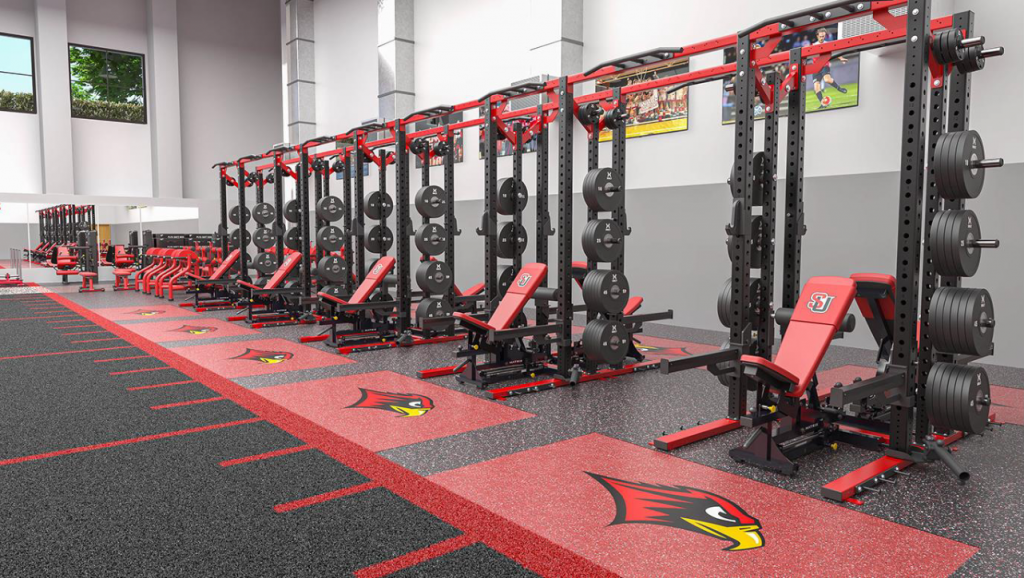
While Matrix excels in outfitting a tech-forward, aesthetically uniform space, some facilities cater specifically to elite strength athletes and Olympic lifters who demand perfection from their free weights. For that, we look to Sweden.
2. Eleiko
Application: Olympic weightlifting centers, collegiate athletics, premium free-weight zones, and serious powerlifting gyms.
Eleiko is the undisputed global leader in free weights, manufacturing the finest barbells and plates on the planet. Originating in Halmstad, Sweden, Eleiko equipment is certified by the IWF (International Weightlifting Federation), IPF (International Powerlifting Federation), and WPPO. Their proprietary Swedish steel yields a signature “whip,” and their bar knurling is widely considered the most perfect in the industry. Beyond bars and plates, their Prestera ecosystem offers incredibly modular, high-end racks.
- The Verdict: Eleiko commands a premium price, but if you are building a facility where barbell sports are a priority, there is simply no substitute. Equipping your gym with Eleiko signals to serious lifters that you understand and respect the sport at the highest level.
Eleiko provides the world’s best free weights, but when it comes to selectorized and plate-loaded machines built with the same uncompromising biomechanical standards, a Canadian brand takes the spotlight.
3. Atlantis Strength
Application: High-end commercial gyms, bodybuilding facilities, and discerning fitness centers.
Atlantis Strength is a Canadian manufacturer that flies slightly under the radar of the mainstream public but is fiercely beloved by industry veterans. Founded by bodybuilding champion Raymond Sansoucy, Atlantis focuses heavily on biomechanics and longevity. Their equipment is distinguished by predominantly welded frames rather than bolted pieces, which eliminates the swaying and loosening that occurs over time with lesser brands.
- The Verdict: Atlantis is my go-to recommendation for facility owners who prioritize joint-friendly movement and zero-maintenance longevity. The initial investment is higher, but the total cost of ownership over a decade is incredibly low.
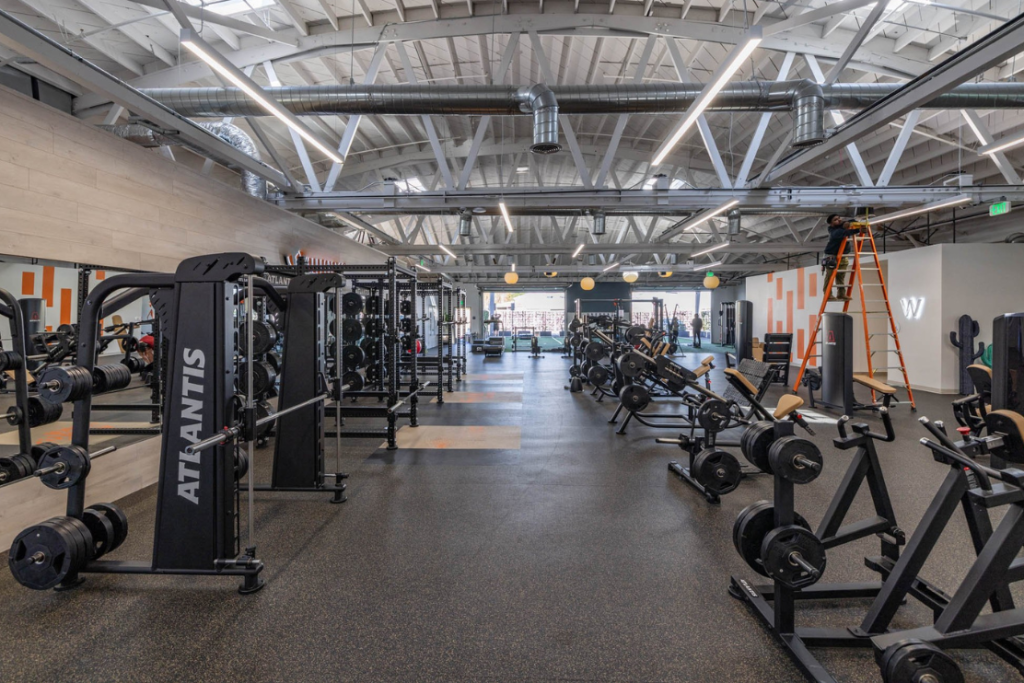
Atlantis offers incredible precision, but when it comes to the undisputed pioneer of heavy-duty, plate-loaded lifting, one American brand stands out to anchor your strength floor.
4. Hammer Strength (Life Fitness)
Application: Athletic performance centers, large-scale commercial gyms, and serious strength facilities.
Hammer Strength, a subsidiary of Life Fitness, practically invented the modern plate-loaded machine. Designed originally by Gary Jones to replicate the body’s natural 3D movements, their Iso-Lateral technology allows users to move both limbs independently. This prevents dominant muscles from overcompensating and provides a smoother, safer lift.
- The Verdict: If you are outfitting a facility that caters to serious athletes or bodybuilders, Hammer Strength provides instant credibility. Their machines are rugged, heavily tested, and ubiquitous in professional sports training centers around the globe.
Essential Commercial Weighlifting Equipment Categories for a Complete Floor Plan
When outfitting your facility, securing a diverse mix of equipment types is vital for accommodating different training styles, from the casual gym-goer to the advanced athlete. A well-rounded floor plan prevents bottlenecks during peak hours.
- Power Racks and Lifting Platforms: The backbone of any strength facility. Opt for racks with minimum 3×3-inch, 11-gauge steel uprights. Ensure you have ample J-cups, safety spotter arms, and multi-grip pull-up bars.
- Selectorized (Pin-Loaded) Machines: Crucial for beginners and fast-paced circuit training. Look for smooth cable travel, easily adjustable seat mechanics, and weight stacks that provide adequate resistance for advanced users without bottoming out.
- Plate-Loaded Machines: Preferred by advanced lifters due to their natural movement arcs and lack of cable friction. These require dedicated floor space and adjacent weight plate storage trees.
- Functional Trainers & Cable Crossovers: The most versatile machines on the gym floor. Dual adjustable pulleys allow for hundreds of exercise variations, from chest flyes to core rotations and rehabilitative work.
- Free Weights (Dumbbells & Benches): Do not skimp on benches. A heavy-duty, easily maneuverable, adjustable bench with grippy vinyl and a minimal pad gap is essential. Pair these with urethane-coated commercial dumbbells for maximum longevity, as rubber dumbbells tend to degrade and smell over time.
The Opti-Fit Advantage: Why Buying Direct Isn’t Always the Best Strategy
Identifying the top-rated commercial weightlifting equipment suppliers is only the first step. The real challenge is integrating them into a cohesive, profitable, and spatially optimized facility. Buying direct from a single manufacturer often forces you into a “one-brand-fits-all” solution, which rarely serves your diverse membership base effectively.
This is where Opti-Fit Fitness Solutions steps in.
When I founded Opti-Fit in 2001, and later co-founded Gym Design Group, my goal was to bridge the gap between exercise physiology and architectural design. We don’t just sell equipment; we provide comprehensive fitness consulting to ensure your business thrives.
Why Partner with Opti-Fit?
- Brand Agnosticism: We have wholesale access and deep relationships with the industry’s top manufacturers. This allows us to cherry-pick the absolute best machines from different brands—perhaps an Eleiko free-weight zone, Hammer Strength plate-loaded pieces, and Matrix functional trainers—to build the ultimate customized floor plan for your specific demographic.
- Intelligent Spatial Design: Using advanced 3D modeling, we design facilities that maximize flow, adhere strictly to ADA compliance, and create distinct training zones. We ensure that your heavy lifting areas don’t interfere with your quiet stretching or functional training zones.
- The “Science of Exercise” Approach: Every piece of equipment we recommend is scrutinized based on its physiological benefits. I personally test new equipment in our Lab in El Dorado Hills, California, ensuring that what goes into your facility is functionally elite.
- End-to-End Service: From the initial architectural blueprint to equipment procurement, logistics, white-glove installation, and ongoing preventative maintenance, we handle the entire lifecycle of your fitness center.
Frequently Asked Questions
What is the difference between home gym equipment and commercial gym equipment?
Commercial gym equipment is engineered with thicker steel (usually 11-gauge or 7-gauge), welded frames, heavy-duty bearings, and high-density upholstery to withstand constant, all-day use by individuals of varying sizes. Home equipment is typically built with thinner steel (14-gauge) and bolted joints to save on shipping and manufacturing costs, making it prone to bending or breaking in a commercial setting.
How much does it cost to outfit a commercial gym in 2026?
The cost varies drastically based on square footage, location, and the tier of brands selected. On average, outfitting a high-quality commercial gym costs between $25 to $50 per square foot. A 5,000-square-foot facility could require anywhere from $125,000 to $250,000 in equipment alone.
How long should commercial weightlifting equipment last?
High-quality structural frames (racks, benches, weight stacks) from elite brands should essentially last a lifetime. Wear-and-tear items like cables, pulleys, grips, and upholstery typically need replacement every 3 to 5 years, depending on facility volume and your adherence to a preventative maintenance schedule.
Ready to Build Your Ultimate Fitness Facility?
Selecting the right equipment is a complex, high-stakes process, but you don’t have to navigate it alone. Whether you are building from the ground up or upgrading an existing facility to stay competitive, you need a partner who understands the intersection of physiology, architectural design, and business profitability.
Don’t settle for a cookie-cutter gym floor. Let’s build something exceptional together that keeps your members coming back for years to come.
Contact me directly to discuss your project, conceptualize your layout, and source the best equipment in the industry.
- Email: Steve@opti-fit.com
- Explore our portfolio and process: Opti-fit.com
Do you often find your housing community gym dark and empty? It may be time to mix things up to re-establish interest in your multi-housing fitness center. And one of the best ways to do that is by incorporating small group training classes into your mix of local activities.
In this guide, we’ll talk about a few of the benefits and types of this unique style that can be used for everything from strength training to basic cardio. Learn more about just how engaging it can be for your tenants.
Two Benefits of Small Group Training
1. More Personal Instruction
Although it’s a class setting, small group training provides the opportunity for teachers to instruct students on movement types and correct them on any mistakes they may be making. The more people in a class, the more difficult it can be for an instructor to monitor how everyone is doing. In a more focused group of individuals, attendees are more likely to get a quality workout experience that is more catered to their needs.
2. Establish a Friendly & Motivating Atmosphere
Smaller classes offer the chance for people to make new friends and develop relationships. As those friendships grow, members of the class will begin to motivate one another to work harder, attend every session, and reach their fitness goals.
Some Types of Small Group Training
CrossFit
This type of workout has a cult-like following of people who strive to complete a number of various movements or workouts within a specified amount of time. It is usually a high-intensity strength training exercise that includes everything from pull-ups and push-ups to squats and weightlifting. Due to its rotating nature, CrossFit can be done with everything from used fitness equipment to brand new exercise machines.
Indoor Cycling
Also known as “spin class”, this is one of the most popular types of small group training. An instructor leads individuals on stationary bicycles changing up the pace, incline, and intensity every few minutes. They can be highly motivating and stand as a great form of cardio for people of all skill levels.
Treadmill
While walking or running on a treadmill may seem like something you would do on your own, there is new commercial gym equipment available like the T5xGT Group Training Treadmill which has multiple features designed for a group setting. Class members can set their own goals and take part in challenges via the innovative LED console. Users can log in to the machine, complete their workout, and share the accomplish straight to their social media feed.
Need Help Boosting Your Community Gym?
If you’re struggling to get people into your multi-housing fitness center, offering a few small group training classes can be a great way to increase engagement and interest. Along with these fun sessions, consider adding new commercial gym equipment to upgrade any of your outdated or broken down equipment.
For more information about the benefits of a functional community gym or for details about our great products, be sure to check out our blog!