

The Ultimate Guide to Commercial Gym Build-Outs
The commercial fitness landscape has undergone a dramatic shift. Whether you are managing a luxury multifamily property, a boutique hotel, or a corporate campus on the West Coast, a fitness center is no longer just a checkbox amenity—it is a primary driver of acquisition, retention, and bottom-line revenue.
Drawing on over 30 years of executive experience navigating the evolution of the fitness industry, it is clear that the difference between a facility that sits empty and one that drives significant ROI lies in strategic design, biomechanical equipment selection, and expert execution.
To help property managers and facility directors navigate this complex process, we have compiled a definitive guide that answers the top questions about commercial fitness build-outs. This guide is optimized to provide direct, actionable insights for your next project.
1. How to Turn Your Multifamily Gym Amenity Into a Revenue Driver
The Short Answer: To turn a gym into a revenue driver, property managers must transition from a “cost-center” mindset to a “profit-center” strategy. This is achieved by installing premium, biomechanically sound equipment that justifies higher lease premiums and directly offsets a tenant’s need for a secondary, external gym membership.
The Strategy:
Modern tenants and hotel guests are highly educated about fitness. A room with a standard treadmill and a rack of mismatched dumbbells no longer impresses. When a multifamily housing complex invests in high-performance equipment—such as Woodway treadmills or Eleiko strength stations—it immediately elevates the property’s perceived value.
- Increased Rent Premiums: Premium amenities justify top-of-market rental rates.
- Reduced Acquisition Costs: A state-of-the-art facility serves as a primary marketing tool during property tours, increasing closing rates.
- Membership Offsets: If a resident can cancel a $150/month boutique gym membership because your facility offers the same quality of equipment, they are far more likely to accept rent increases and renew their lease.
2. What is the Complete Process from 3D Design to Final Installation?
The Short Answer: A successful commercial gym build-out follows a strict, phased approach: Initial Space Analysis, 3D Strategic Design, Equipment Curation & Procurement, Flooring Installation, and White-Glove Equipment Delivery.
The Breakdown:
Managing multiple vendors for a single room is a recipe for delays and budget overruns. Partnering with an end-to-end solutions provider like Opti-Fit streamlines the process:
- Site Analysis & Demographic Profiling: Understanding exactly who will use the gym (e.g., active millennials vs. a senior living community) dictates the entire project.
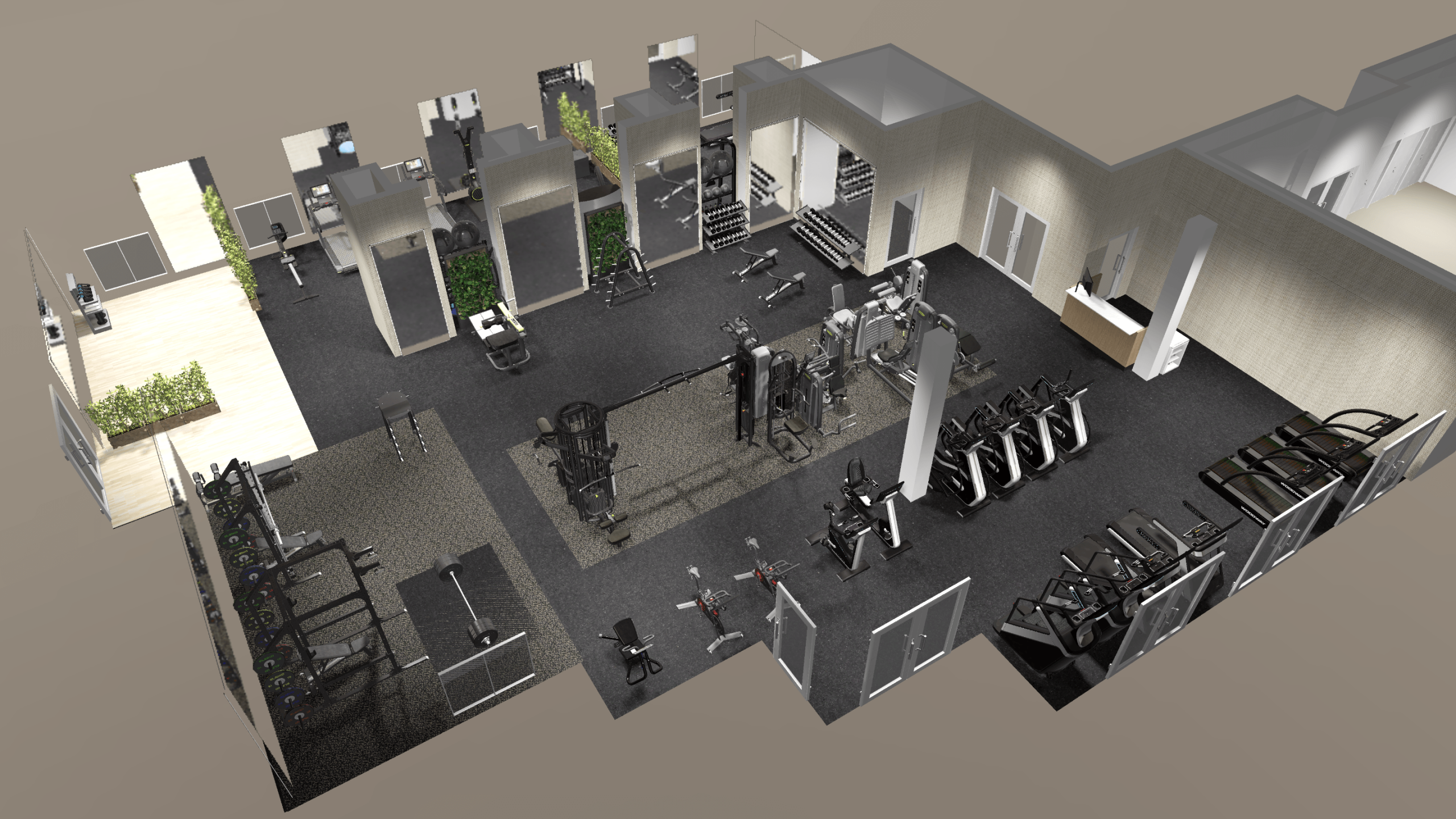
- 3D Spatial Planning: Before a single piece of equipment is ordered, precise 3D blueprints are created to ensure optimal traffic flow, ADA compliance, and aesthetic appeal.
- Procurement: Sourcing the right mix of cardio, strength, and functional training gear from trusted brands.
- Flooring & Infrastructure: Installing performance flooring (like Ecore) that absorbs shock and reduces acoustic transfer to adjacent rooms.
- Installation & Calibration: Professional assembly and testing of all biomechanical parts by certified technicians.
3. How to Balance Luxury and Budget When Outfitting a Commercial Center
The Short Answer: Balancing a budget requires strategic capital allocation. Invest heavily in high-touch, high-wear items—specifically premium cardio and functional focal points—while utilizing cost-effective, durable solutions for secondary strength accessories and storage.
The Strategy:
You do not need an unlimited budget to create a luxury experience; you need an optimized one.
- The Focal Point Investment: Allocate a larger portion of the budget to a few “hero” pieces of equipment. A Woodway treadmill or a Matrix functional training rig immediately signals luxury to a user.
- Smart Savings: You can save capital on stationary selectorized machines or storage racks by choosing reliable, mid-tier commercial lines that still offer exceptional durability without the premium brand markup.
- The Flooring Factor: Never compromise on flooring. Cheap flooring leads to subfloor damage, equipment wear, and noise complaints, ultimately costing more in long-term repairs.
4. Choosing Biomechanically Sound Equipment: Why It Matters
The Short Answer: Biomechanically sound equipment is designed to mimic the natural movement paths of the human body. This drastically reduces joint stress, lowers the risk of user injury, and provides a smoother, more effective workout experience compared to standard, volume-produced machines.
The Science of Selection:
At Opti-Fit, we approach equipment selection as exercise physiologists, not just salespeople. When a machine forces a user into an unnatural plane of motion, it causes discomfort and potential liability. Brands like Atlantis Fitness and Eleiko engineer their equipment based on advanced kinesiology.
- Accommodating All Users: Biomechanically correct machines offer better adjustability, ensuring a 5’2″ user and a 6’4″ user can both execute a movement safely.
- Muscle Isolation: Premium equipment maintains constant tension on the targeted muscle group throughout the entire range of motion, delivering a superior workout that users can actually feel.
5. How to Optimize Floor Space in Small Hotel and Corporate Gyms
The Short Answer: To maximize a small footprint, prioritize multi-functional equipment, utilize vertical storage solutions, and implement distinct “zones” to prevent bottlenecks.
The Strategy:
Square footage is often at a premium in hospitality and corporate environments.
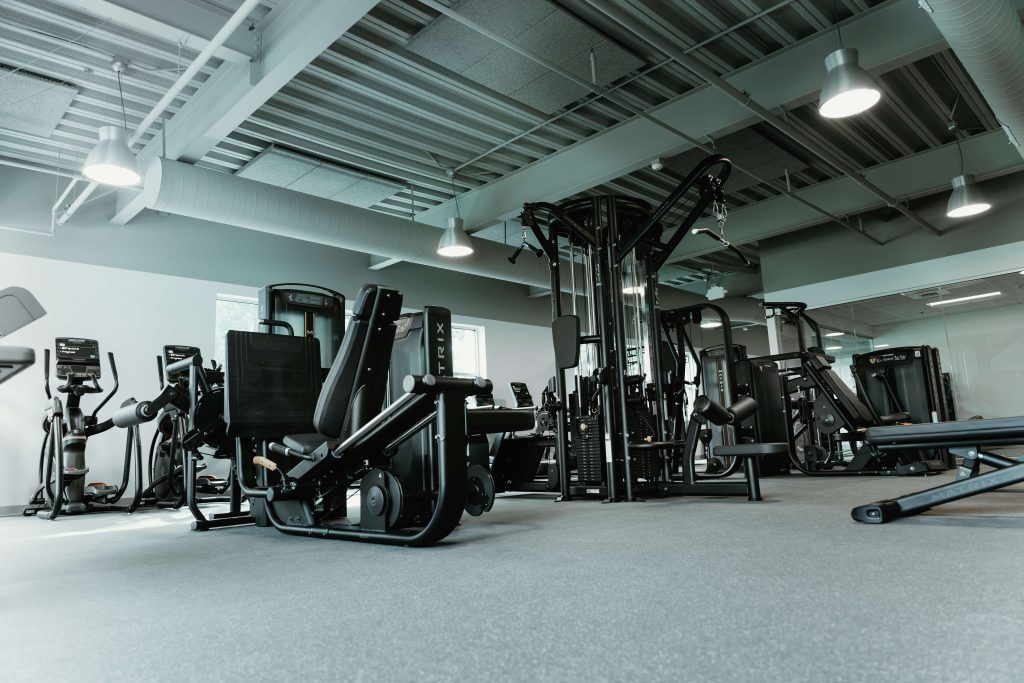
- Multi-Modality Machines: Instead of single-station strength machines, opt for dual-adjustable pulleys (cable crossovers) or functional trainers that allow users to perform dozens of different exercises in one footprint.
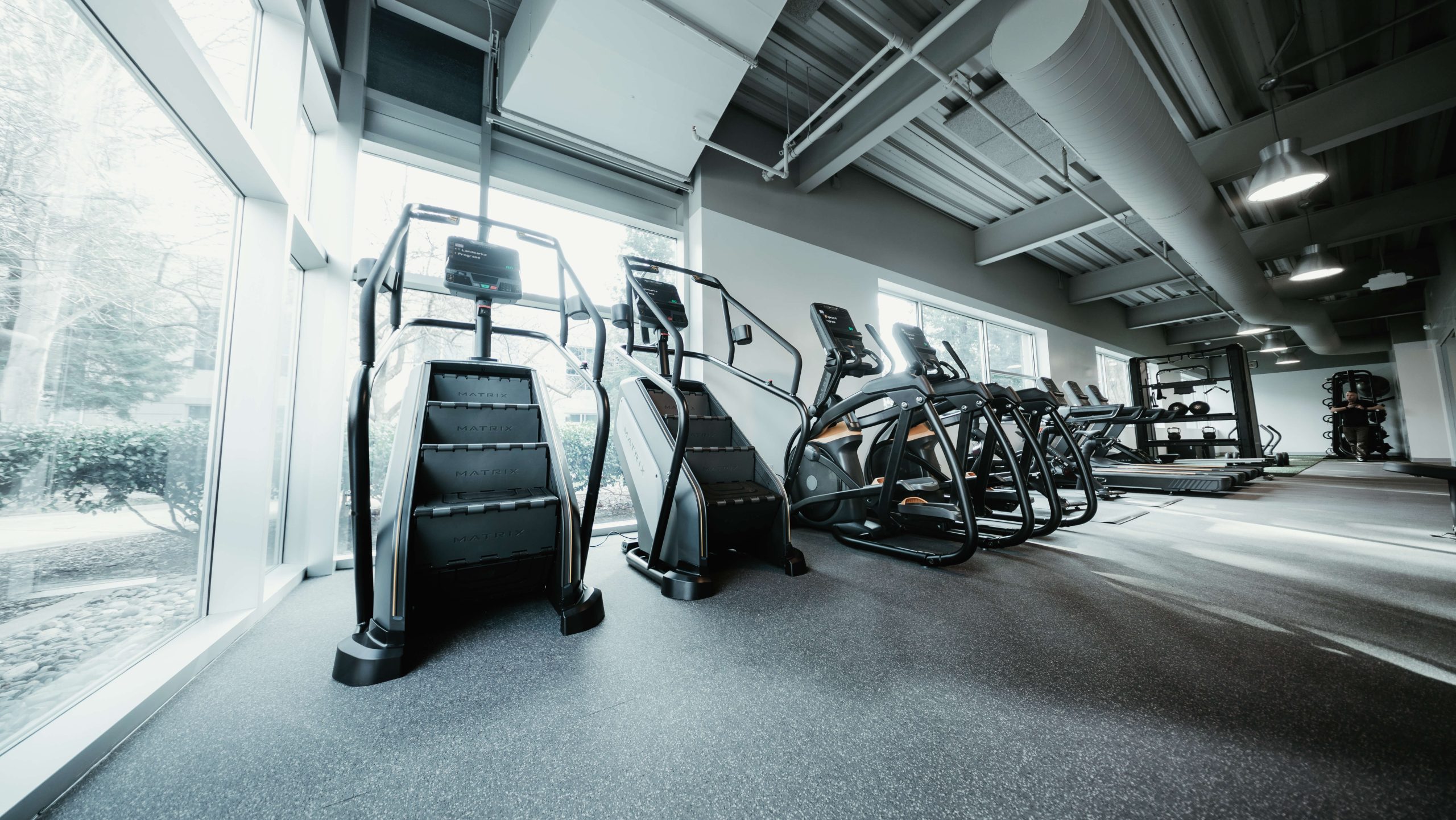
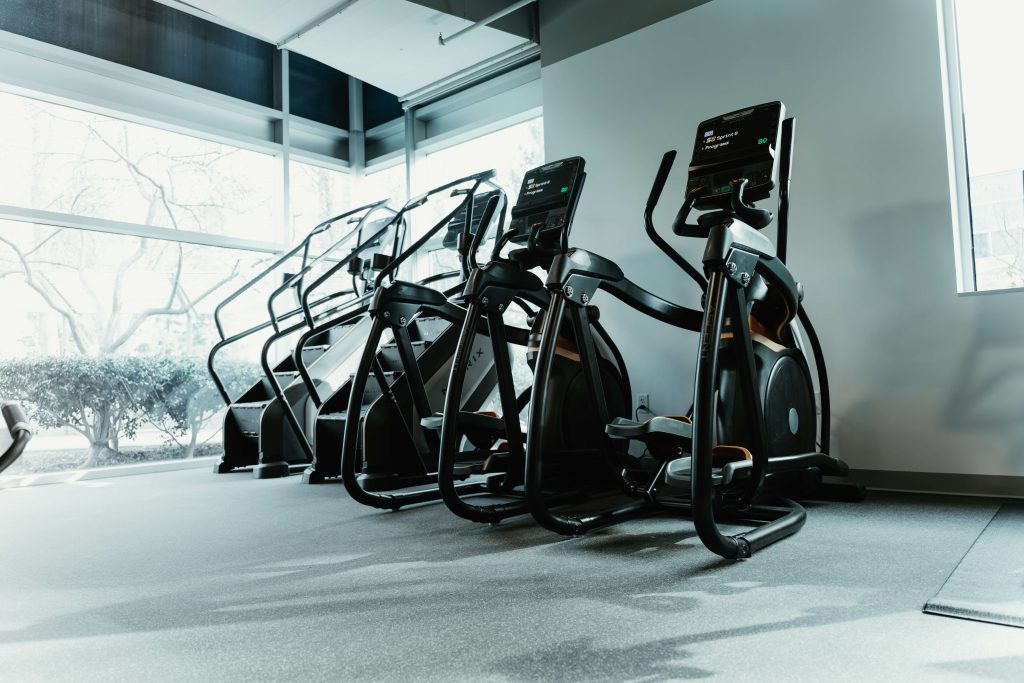
- Smart Cardio: Utilize high-intensity, low-footprint cardio options like Assault Fitness air bikes or compact rowers.
- Zone Design: Clearly delineate a stretching/recovery zone, a strength zone, and a cardio zone. This psychological division makes a small room feel organized and purposeful rather than cluttered.
6. What Amenities Actually Keep Residents? Driving Lease Renewals
The Short Answer: Residents renew leases when a property’s amenities actively integrate into their daily lifestyle. A modern, cleanly designed fitness center equipped with smart technology and recovery tools is currently the top requested lifestyle amenity in multifamily housing.
The Strategy:
The modern fitness consumer cares about holistic wellness, not just lifting weights. To drive renewals, facilities must evolve beyond the basics:
- Incorporate Recovery: Adding a dedicated space for Therabody percussive therapy tools or stretching zones, cold plunges, and saunas shows residents you understand modern fitness trends.
- Strength Spaces: Renters today know how to train, and they expect the right gear. We aren’t just talking about a basic set of dumbbells up to 50 lbs. A layout that drives retention includes half-racks, Smith machines, dual-adjustable cable pulleys, and dedicated drop zones.
- The Implementation Strategy: It’s all about acoustics and smart zoning. High-performance, shock-absorbent flooring under the heavy lifting stations is an absolute must to prevent noise complaints from neighboring units. You also have to position these heavy zones against structural walls, keeping the main traffic flow completely safe and clear of the lifters.
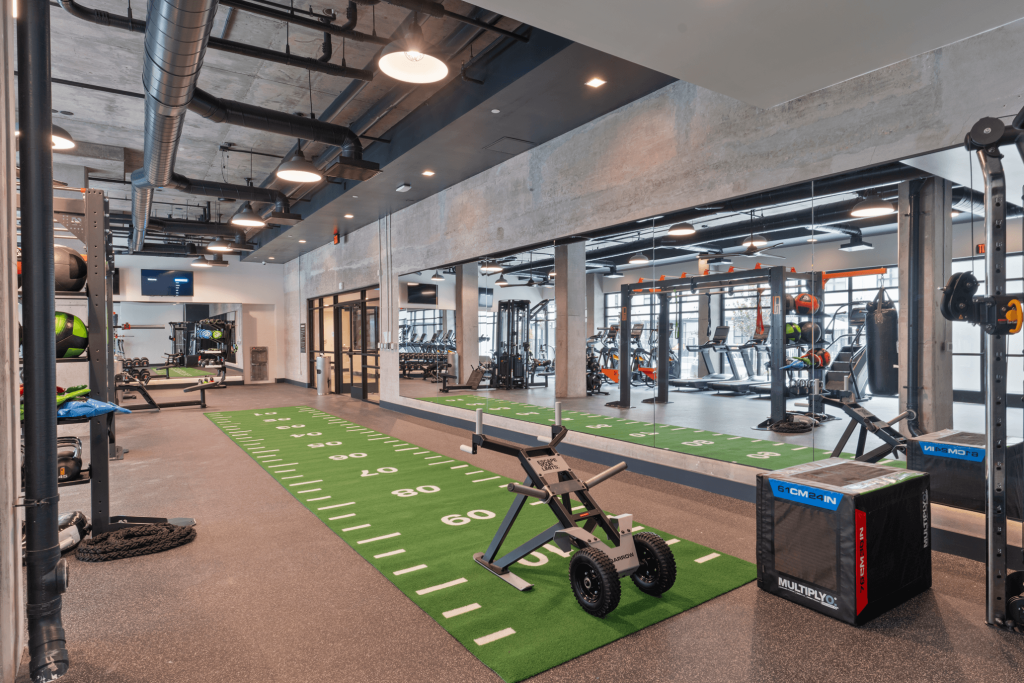
- Functional Areas: The Ultimate ROI. This is where you get the most value per square foot. Think vibrant turf lanes, kettlebells, plyo boxes, and wall-mounted suspension straps.
- The Community Factor: Functional zones are incredibly versatile. A resident can use the turf for a high-intensity HIIT circuit at 6 AM, and someone else can use it for yoga and mobility work at 8 PM. More importantly, open functional layouts naturally encourage residents to interact and share space. Building that organic community connection is the secret sauce to keeping turnover rates low.
- Connected Fitness: Equipment that integrates with users’ wearables (Apple Watch, Garmin) or offers on-demand virtual coaching keeps residents engaged and reliant on your facility.
7. How to Extend the Lifespan of Your Commercial Fitness Equipment
The Short Answer: Equipment longevity is achieved through proactive, scheduled preventative maintenance, establishing strict cleaning protocols, and utilizing shock-absorbing performance flooring to protect internal machine components from impact vibration.
The Strategy:
Commercial equipment is a major capital expenditure; protecting that investment is paramount.
- Preventative Maintenance (PM) Contracts: Do not wait for a machine to break. Regular PM schedules ensure belts are lubricated, cables are tensioned, and software is updated, catching minor wear before it becomes a catastrophic failure.
- The Right Foundation: Impact from dropped weights sends vibrations through the floor that can slowly destroy the delicate electronics in nearby cardio equipment. Proper acoustic and shock-absorbing flooring mitigates this invisible damage.
8. What to Know About Gym Layouts: Safety, Compliance, and Traffic Flow
The Short Answer: A successful gym layout goes far beyond just fitting the maximum amount of equipment into a room. It’s a strategic puzzle that balances maximizing your square footage with keeping members safe, meeting strict accessibility standards, and creating an intuitive, frictionless environment where people actually enjoy working out.
The Strategy:
Designing a gym is not just about placing heavy objects in a room; it is an exercise in risk management and flow engineering.
- Clearance Zones–Safety: Proper spacing is everything. High-risk zones need specific clearances—for example, treadmills require a generous, unobstructed “fall zone” behind them. Free weight areas need enough room so members aren’t bumping into each other during heavy lifts. By strategically grouping equipment by function, you also keep dynamic, high-movement exercises safely separated from static or floor-based stretching areas.
- Electrical Planning: Modern cardio equipment requires dedicated circuits. Failing to plan the electrical layout during the blueprint phase leads to unsightly power cords running across walkways, creating severe tripping hazards.
9. Knowing When It’s Time to Revitalize Your Fitness Center
The Short Answer: It is time to revitalize your gym when you experience frequent equipment out-of-order signs, when the aesthetic looks dated compared to the rest of your property, or when user engagement data (if tracked) shows a sharp decline in daily visits.
The Strategy:
An outdated gym can actually be a detractor rather than a neutral amenity. Guests and residents will judge the overall quality of your management based on the state of the fitness center. If your cardio machines lack modern screens or if the upholstery on your strength benches is cracked, it is time for an upgrade. A revitalization doesn’t always mean a full gut-job; sometimes, replacing the top 30% of your most heavily used equipment can breathe entirely new life into the space.
10. What to Look for in a Gym Equipment Distributor
The Short Answer: Look for a distributor that offers end-to-end project management, acts as a consultant rather than a transactional vendor, and possesses deep, clinical knowledge of human biomechanics and facility ROI.
The Strategy:
The commercial fitness equipment market is saturated with volume-driven salespeople. To truly maximize your investment, you need a partner.
- Expertise Over Volume: Distributors like Opti-Fit employ certified Exercise Physiologists and fitness management experts. This means the layout and equipment curation are based on human performance data, not just what is currently sitting in a warehouse.
- Long-Term Partnership: The relationship should not end when the invoice is paid. A premier distributor will offer ongoing maintenance, staff training, and data-driven insights to ensure the facility continues to perform year after year.
Ready to Build a Space Your Residents Won’t Want to Leave?
Stop guessing with your floor plan and let’s design a fitness center that actually drives your lease renewals. Whether you’re upgrading an outdated room or building a brand-new facility from the ground up, we know exactly how to maximize every single square foot for the best ROI.