

Light Commercial vs. Full Commercial Fitness Equipment: The Definitive Guide for Facility Owners
Author: Chad Adams, Director of Strategic Accounts, Opti-Fit
Date: February 8, 2026
In my years working with facility directors and developers across Northern California and Tennessee, I’ve seen the same scenario play out dozens of times. A property manager at a luxury apartment complex or a corporate wellness director tries to be budget-conscious. They buy high-end “home” equipment or entry-level “light commercial” gear, thinking it looks just as good as the machines at the big box gym down the street.
Six months later, the treadmills are “Out of Order,” the warranty claims are denied, and they are facing a potential liability nightmare.
Understanding the distinction between Light Commercial and Full Commercial fitness equipment is not just about comparing spec sheets—it is about protecting your investment and minimizing your legal exposure.
In this guide, I will break down exactly where the line is drawn, so you can make the right decision for your facility, whether you are outfitting a boutique studio in Nashville or a corporate campus in the Bay Area.
At a Glance: Which Category Are You?
Before we dive into the bolts and bearings, you need to identify your facility type. In the fitness industry, we categorize equipment based on usage hours and facility intent.
1. Light Commercial (Non-Dues Paying)
Usage: 3–6 hours of use per day.
Target Environment:
- Apartment/Condo complexes (Multifamily)
- Hotels and Hospitality
- Corporate Wellness Centers
- Personal Training Studios (Small scale)
- Fire/Police Stations
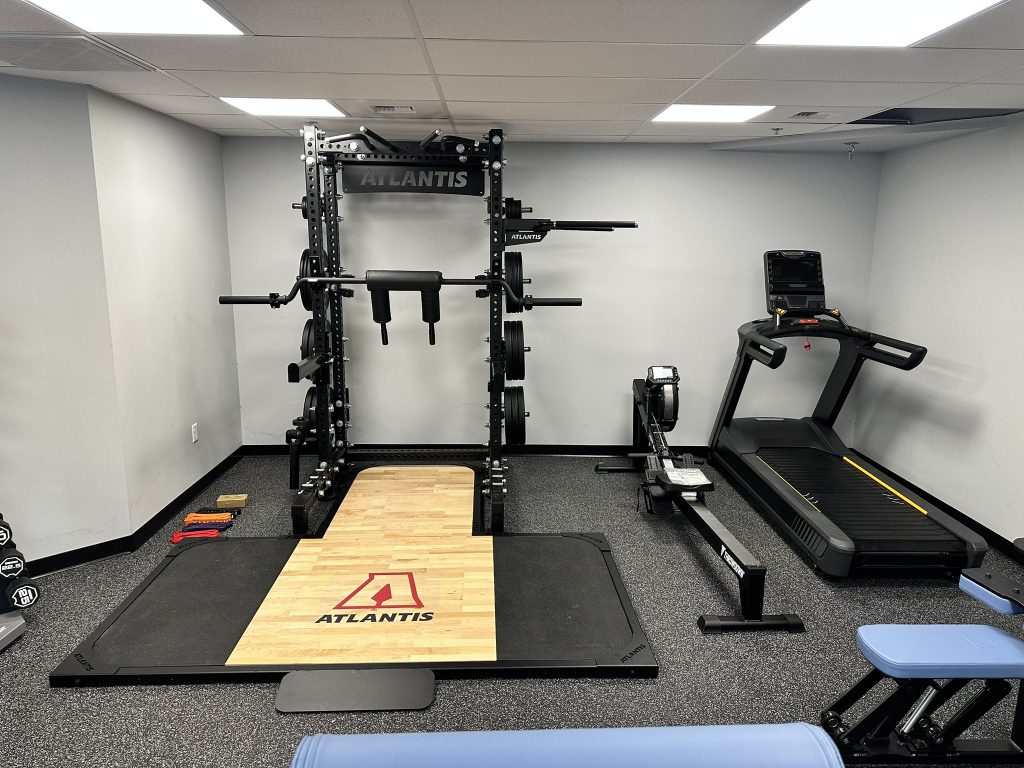
The Reality: These facilities are “amenity-based.” Users aren’t paying a direct membership fee to use the gym; it’s a perk. The traffic is consistent but not constant.
2. Full Commercial (Dues Paying)
Usage: 8–24 hours of use per day.
Target Environment:
- Large Health Clubs (Gold’s, Planet Fitness, etc.)
- University Recreation Centers
- YMCAs / JCCs
- Professional Sports Training Facilities
- Large 24/7 Access Gyms
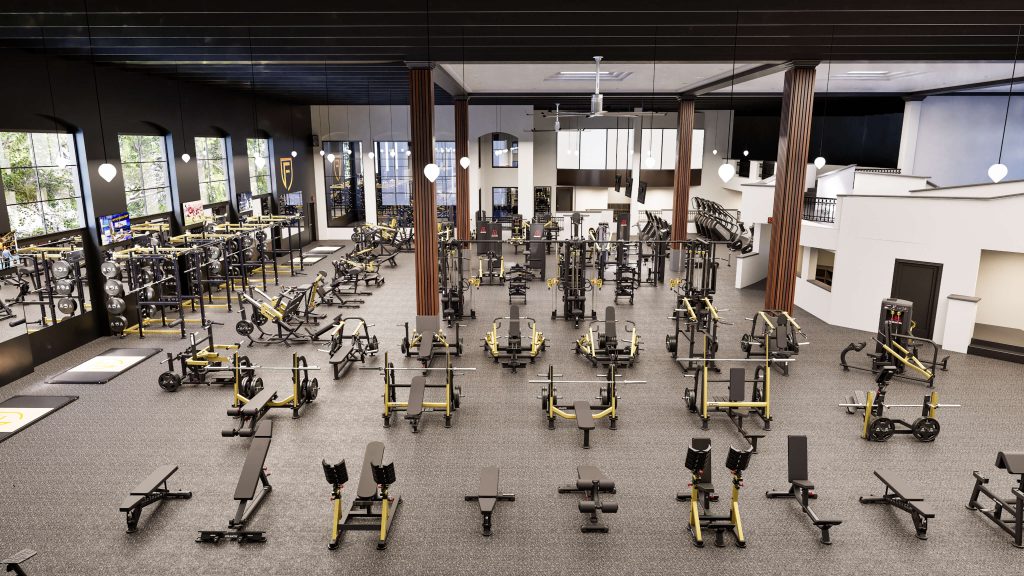
The Reality: These facilities sell access. If a machine goes down, you lose members. Equipment here must withstand “abuse-level” traffic, often running continuously for 12+ hours a day.
The Core Differences: A Deep Dive
Top-ranking articles often gloss over the technical engineering that differentiates these categories. At Opti-Fit, we look at three critical engineering factors: Steel Gauge, Motor Duty, and Warranty Liability.
1. Structure: The Steel Standard
The lifespan of a strength machine is dictated by its frame.
- Light Commercial: Often uses 13-gauge or 14-gauge steel. It is sturdy enough for controlled movements but may wobble under heavy loads (over 300 lbs) or high-frequency racking.
- Full Commercial: The industry standard is 11-gauge steel (lower number = thicker steel). This is vital for rigidity. When a 250lb linebacker slams a weight stack down, 11-gauge steel doesn’t flex. Light commercial frames eventually fatigue and crack under that stress.
2. Cardio Motors: AC vs. DC
This is the most common point of failure.
- Light Commercial (DC Motors): Most use Direct Current (DC) motors. They are quieter and cheaper but tend to overheat if run for more than 2-3 hours continuously. They need “cool down” periods.
- Full Commercial (AC Motors): These use Alternating Current (AC) motors. They are designed to run cool even if the treadmill is in use for 14 hours straight. They don’t need rest. If you put a DC motor in a 24/7 gym, it will burn out within a year.
3. The Warranty Trap (Read This Carefully)
This is where facility managers get burned.
- The Scenario: You buy a high-end “home” or “light commercial” treadmill for your heavy-traffic gym because it saved you $1,500.
- The Result: A motor blows. You call the manufacturer. They ask for your facility address. Once they see it is a “dues-paying facility” or a high-traffic zone, they void the warranty immediately.
- Full Commercial Warranty: Covers parts and labor regardless of usage volume. It is an insurance policy for your operation.
Safety & Liability: The Hidden Cost
Beyond broken machines, there is the issue of liability.
If a resident in your Tennessee apartment complex trips on a treadmill because the belt slipped (due to a motor that wasn’t rated for that load), you are liable. If you used a piece of equipment that was not rated for that specific commercial environment, your liability insurance may refuse to cover the claim.
Expert Advice: Never try to “sneak” residential or lower-grade equipment into a commercial space. The legal risk far outweighs the upfront savings.
Choosing the Right Fit: Northern California & Tennessee
At Opti-Fit, we specialize in tailoring these choices to your specific region and demographic.
Northern California (Corporate & Tech)
In the corporate campuses of the Bay Area and Northern California, we often recommend High-End Light Commercial or Hybrid setups.
- Why: Tech employees value connectivity and aesthetics. We prioritize consoles with Apple Watch integration and sleek designs (like Matrix or various boutique brands) that fit a corporate aesthetic but don’t need the ruggedness of a powerlifting gym.
Tennessee (Multifamily & Hospitality)
In the booming markets of Nashville and Knoxville, competition for tenants is fierce.
- Why: Here, we are seeing a shift toward Full Commercial strength pieces even in apartment complexes. Why? Because the prospective tenants are savvy. They want a “real gym” experience at home. Installing full commercial half-racks and functional trainers signals to tenants that this is a premium property, justifying higher rents.
Summary Comparison Table
| Feature | Light Commercial | Full Commercial |
| Daily Usage | < 6 Hours | Unlimited (24/7) |
| Warranty | Parts: 1-3 Yrs / Labor: 1 Yr | Parts: 3-5+ Yrs / Labor: 2-3 Yrs |
| Frame | 12-14 Gauge Steel | 11 Gauge Steel |
| Cardio Motor | DC (Needs cool down) | AC (Continuous Duty) |
| Best For | Hotels, Apartments, Fire Dept. | Health Clubs, Rec Centers, Pro Sports |
| Price Point | $$ | $$$$ |
Expert Recommendation
Don’t guess. The difference between saving money and losing your reputation is selecting the right grade of equipment.
If you are planning a facility in Northern California or Tennessee, let’s have a conversation about your usage estimates. I can help you value-engineer a solution that mixes full commercial durability where you need it (treadmills/benches) with light commercial savings where you can afford it.
Need a custom equipment audit?
Chad Adams
Director of Strategic Accounts, Opti-Fit
📅 Schedule a Consultation Here
Providing premier fitness solutions across the US, with specialized service in California, Nevada, and the Tennessee Valley.
Website: Opti-Fit.com