

At Opti-Fit, we understand that exceptional fitness centers go beyond mere visual appeal. A strategically designed fitness center layout is crucial for crafting an outstanding user experience, enhancing member satisfaction, and fostering long-term engagement.
Our approach to advanced design principles focuses on the member journey and optimal space utilization, ensuring your fitness center not only looks inviting but also functions seamlessly.
Key Considerations for Strategic Fitness Center Layout:
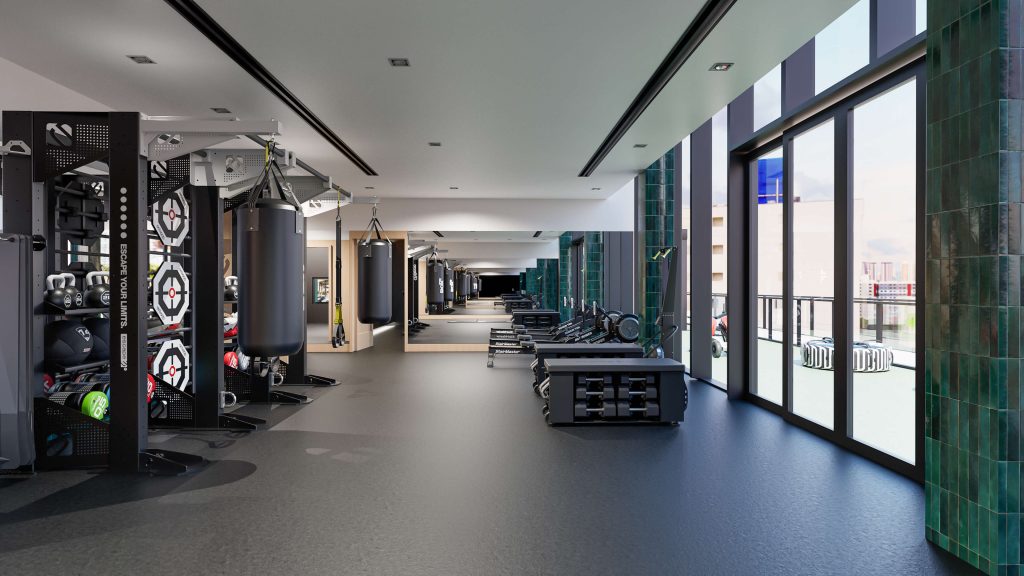
- Intuitive Flow and Zoning:
- Create clear pathways and distinct zones for different training modalities (cardio, strength, functional training, group fitness).
- Guide members effortlessly through the space, minimizing confusion and maximizing workout efficiency.
- Incorporate buffer zones to prevent overcrowding and maintain a comfortable training environment.
- Building a Sense of Community:
- Design dedicated social zones, like a lounge area or a stretching space with a view, to encourage interaction among members.
- A well-designed layout can make members feel more connected, which is a key driver for retention and loyalty.
- Programmed Focus Integration:
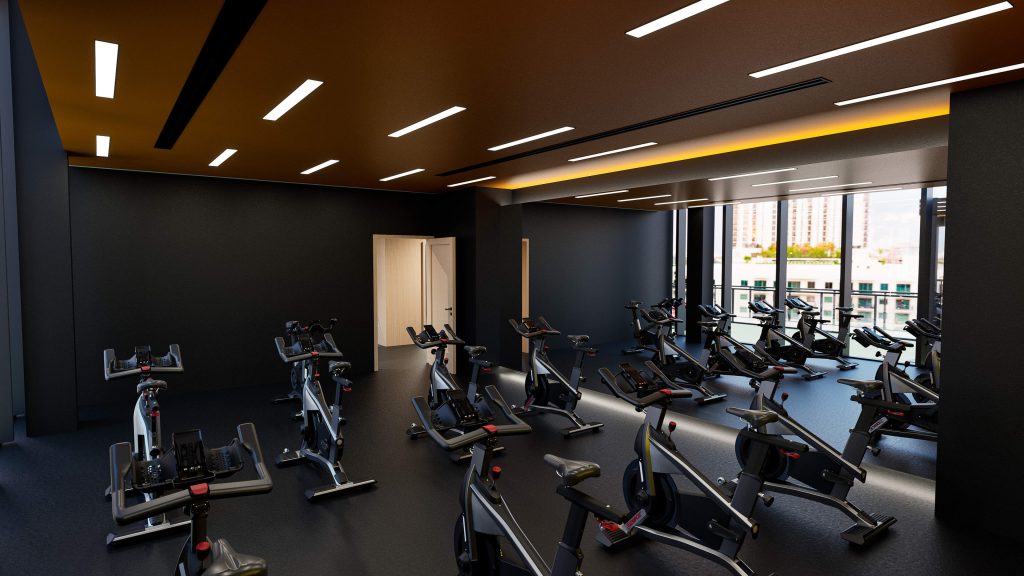
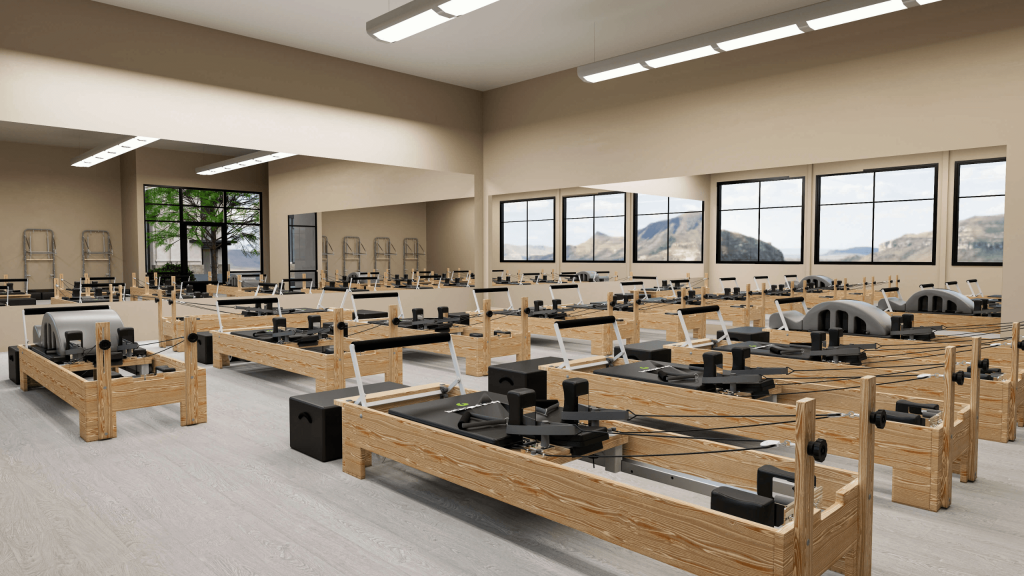
- Designated areas tailored for specific training programs (e.g., HIIT zones, dedicated free weight areas, stretching and recovery spaces).
- Optimize equipment placement within these zones to support effective workouts and program delivery.
- Consider sightlines to create visually engaging and motivating environments that cater to various training styles.
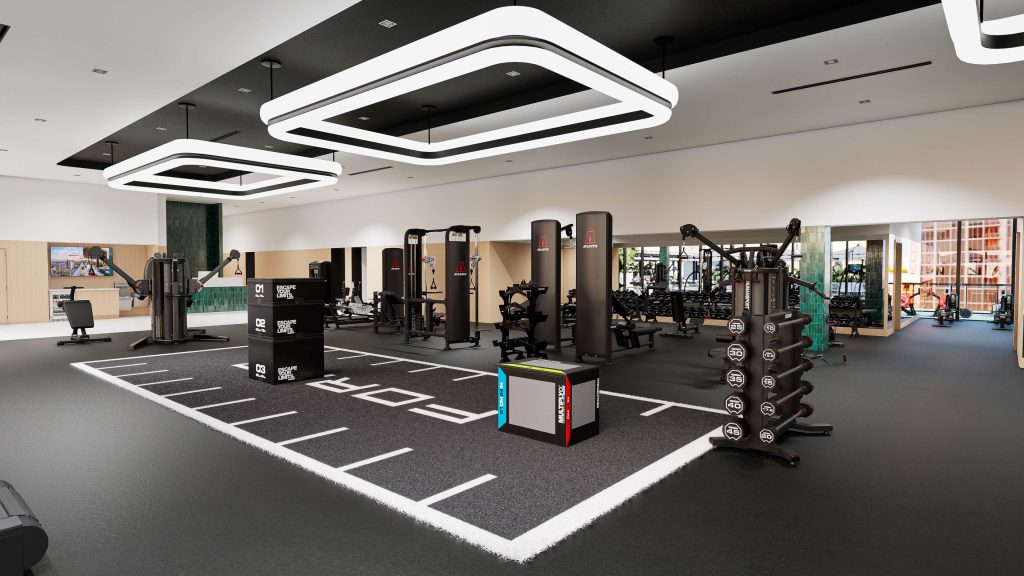
- Maximizing Space Efficiency:
- Strategic equipment placement to avoid bottlenecks and ensure ample workout space around each machine.
- Utilization of multi-functional equipment to cater to diverse fitness needs within a compact footprint.
- Thoughtful placement of storage solutions to maintain a clean and organized environment.
- Enhancing User Experience:
- Creating a welcoming and motivating atmosphere through thoughtful design elements and spatial arrangement.
- Ensuring adequate lighting and ventilation throughout the facility.
- Strategically placed water fountains, towel stations, and other amenities for member convenience.
- Integrating Outdoor Fitness Spaces:
- Seamless transition between indoor and outdoor training areas (if applicable).
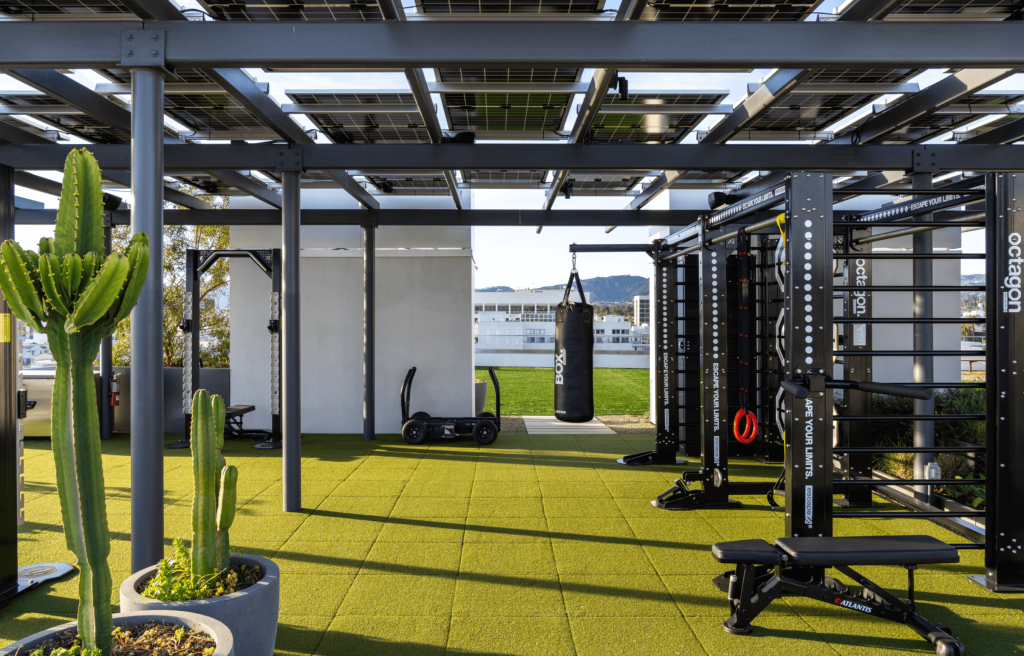
- Design outdoor spaces for functional training, bodyweight exercises, or group fitness classes.
- Consider weather protection and durable equipment suitable for outdoor use.
- Create an appealing and accessible outdoor fitness experience that complements the indoor offerings.

By focusing on these key elements, Opti-Fit helps fitness center owners create spaces that empower members to achieve their fitness goals in a comfortable, efficient, and engaging environment. A strategically designed layout is an investment in member satisfaction and the long-term success of your fitness business.
Ready to optimize your fitness center layout and elevate your member experience? Contact Opti-Fit today for expert design and equipment solutions.
In California, wellness isn’t just an activity; it’s woven into the fabric of everyday life. From the tech hubs of Silicon Valley to the coastal communities of Southern California, residents expect amenities that support their active, health-conscious priorities. For developers, property managers, and corporate wellness leaders, a fitness center is no longer a simple checkbox amenity—it’s a powerful tool for attracting and retaining the best tenants and employees. But a truly standout facility goes far beyond a row of treadmills. It’s an experience.
Creating an inspiring California fitness center requires a thoughtful approach that blends high functionality with the state’s signature style. At Opti-Fit, we’ve spent over two decades crafting exceptional fitness experiences that deliver results. We believe the most successful spaces are built on a foundation of strategic design. Here are five essential elements that define a premier California fitness facility.
1. Seamless Indoor-Outdoor Flow
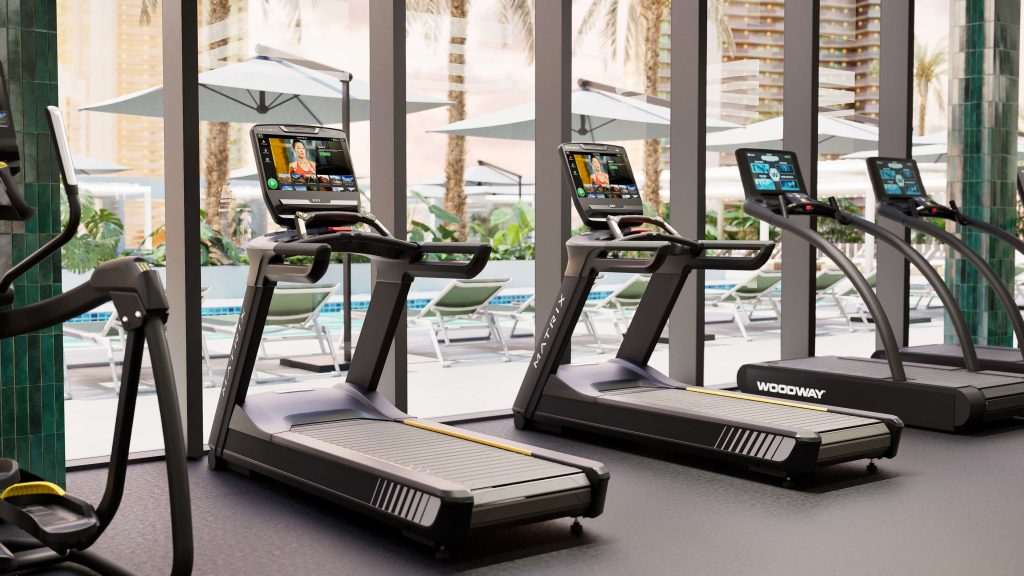
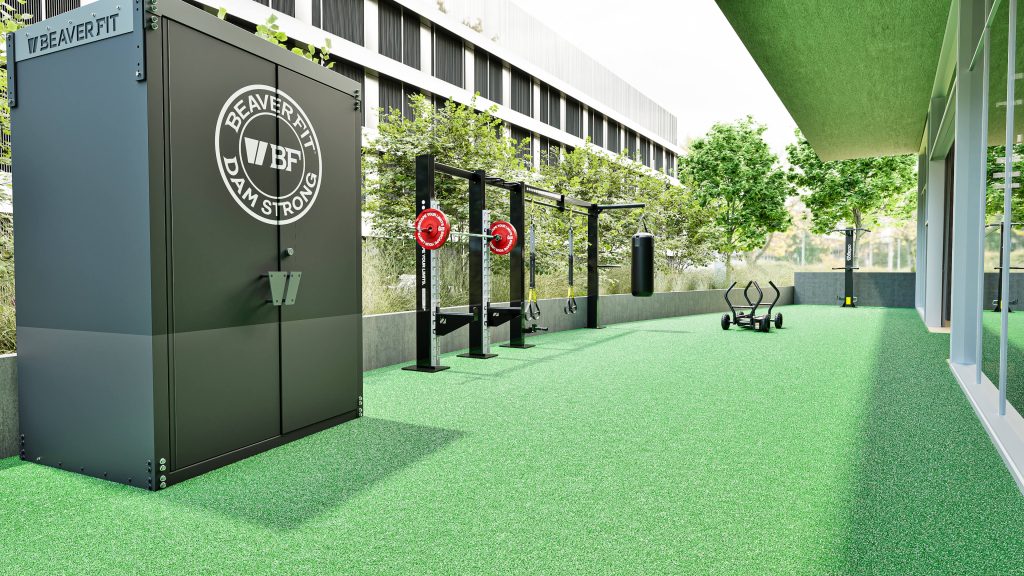
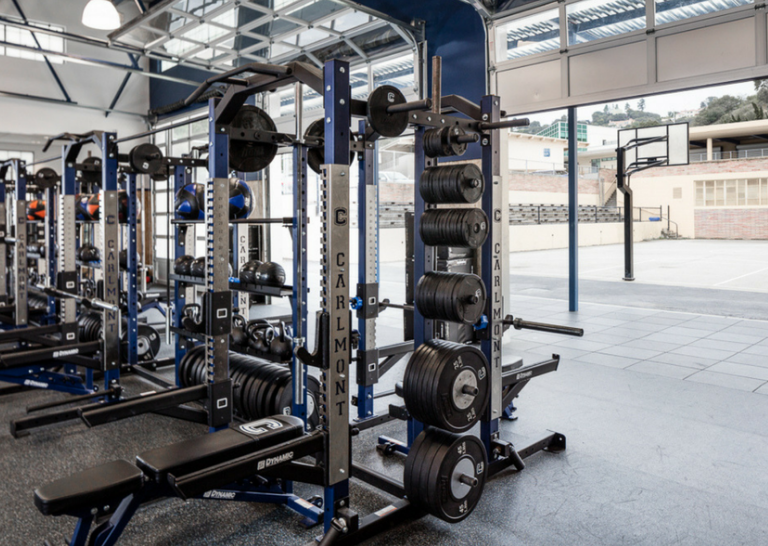
California’s greatest natural asset is its climate. A premier fitness center design must embrace this by blurring the lines between indoors and out. Imagine large, garage-style doors that open onto a patio for stretching, a dedicated outdoor turf area for functional training, or expansive windows that flood the space with energizing natural light. This connection to the outdoors makes a workout feel less like a chore and more like a retreat, a key desire for the discerning California market.

2. Intelligent Zoning for Function and Vibe
A one-size-fits-all layout is a relic of the past. Modern users demand variety and a clear purpose for every part of their fitness journey. A standout California fitness center design incorporates intelligent zoning to create distinct areas for different activities. This includes a high-energy zone with Strength-focused equipment, a serene mind-body studio for Pilates, yoga, and meditation, and a functional training zone with turf and specialized tools to enhance strength and mobility. This approach prevents overcrowding and allows users to own their experience, which is crucial for long-term engagement.
3. Integrated, User-Friendly Technology
As a global hub of innovation, California demands smart technology in every aspect of life, including fitness. A modern gym design must feature seamless tech integration. This means state-of-the-art cardio machines with interactive consoles, on-demand virtual fitness class offerings, and mobile app integration for tracking progress. This not only enhances the user experience but also provides valuable data for facility management and demonstrates a commitment to providing cutting-edge amenities.
4. Biophilic and Sustainable Design
Biophilia—the idea that humans have an innate connection to nature—is a cornerstone of California’s wellness culture. Incorporating natural elements into your gym design can reduce stress and elevate user satisfaction. This can be achieved through the use of materials like wood and stone, the installation of a living plant wall, and maximizing views of nature. Furthermore, using sustainable materials and energy-efficient equipment resonates deeply with the eco-conscious values prevalent throughout the state.
5. Flexible and Adaptable Spaces
The fitness landscape is in constant evolution. The best facilities are designed for flexibility. This requires creating open, multi-purpose areas that can easily transform from a group class setting to a functional training zone or a quiet stretching area. By utilizing smart storage solutions and movable equipment, your fitness center can adapt to new trends and user demands, maximizing its longevity and return on investment.
Design Your Standout Facility with Opti-Fit
Creating a fitness center that truly inspires requires more than just supplying equipment; it demands a partner with vertically integrated expertise in design, procurement, and management. Opti-Fit has been crafting exceptional fitness experiences across California for over 20 years. We understand how to weave these essential elements into a cohesive, high-performance facility that elevates your property and exceeds user expectations.
Ready to go beyond the treadmill? Contact Opti-Fit today for a complimentary design consultation.
Redesigning a school gym is an exciting opportunity to enhance not only the physical space but also the overall student experience. A well-thought-out gym design can promote health, fitness, and a sense of community among students. Here are seven key considerations to keep in mind when planning a school gym redesign.
1. Understanding the Needs of the Students
The first step in any redesign is understanding the specific needs of your student body. For colleges and universities, you may consider conducting surveys to gather insights about what students want from their gym experience. Meanwhile, K-12 schools can talk to the students alongside the parents, teachers, and PE coordinators for insight.
Additionally, consider the types of activities students enjoy, which can vary by age group, climate, and region. Is your student body most interested in play-based workouts, team sports, individual fitness regimens, or group workout classes? Tailoring the gym to meet these needs can help students thrive.
2. Incorporating Versatile Spaces
A well-designed gym should be adaptable enough to accommodate a variety of student activities. Consider creating a multi-purpose space that can easily accommodate different uses, like group fitness classes, team practices, recreational sports, or community events.
Additionally, fitness fads and changing interests are inevitable. For example, the current surge in pickleball interest may eventually fade, which makes building a school gym entirely around pickleball a mistake. The gym space should be versatile enough to support new trends.
Ultimately, a flexible school gym will support a broader range of activities, accommodating more student fitness and athletic programs.
3. Prioritizing Safety and Accessibility
Safety is of the highest importance in any gym environment, but it may be especially critical in school gyms. The rational part of the brain isn’t fully developed until age 25, which is older than the standard student age (with the exception of post-graduate institutions). As such, gyms need to be extra safeguarded against user error and poor decision-making.
For example, your gym design professional will help you choose non-slip and impact-absorbing floors to help prevent injury. K-12 gyms may also benefit from strategic storage that keeps potentially dangerous equipment out of reach for younger students.
Additionally, make sure the gym is accessible to all students, including those with disabilities. Incorporating features like ramps, wider doorways, and adaptive equipment will ensure that every student can participate in gym activities.
4. Investing in Quality Equipment
The quality of gym equipment can significantly impact the overall experience. Invest in durable, high-quality equipment that caters to a wide range of fitness levels. Consider incorporating both traditional equipment, such as weights and cardio machines, and more modern offerings like functional training tools. Regular maintenance and updates to equipment will keep the gym safe and engaging.
5. Creating an Inviting Atmosphere
An inviting atmosphere can motivate students to participate in physical activities. Use color psychology to create an energizing environment. For example, bright colors can boost mood and energy levels. Consider adding elements like murals, motivational quotes, and natural light through windows to make the space feel welcoming and inspiring.
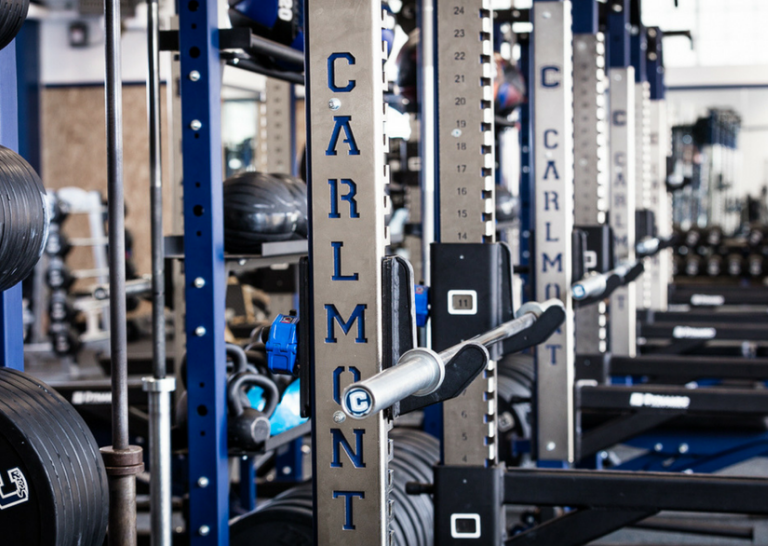
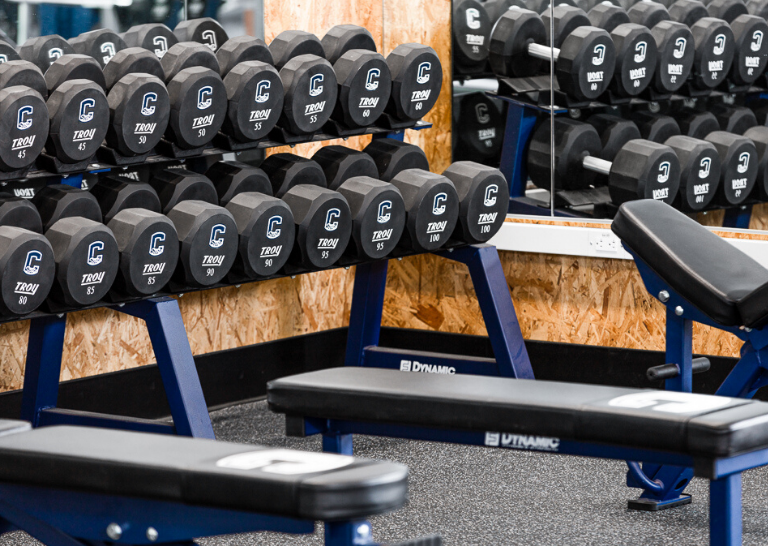
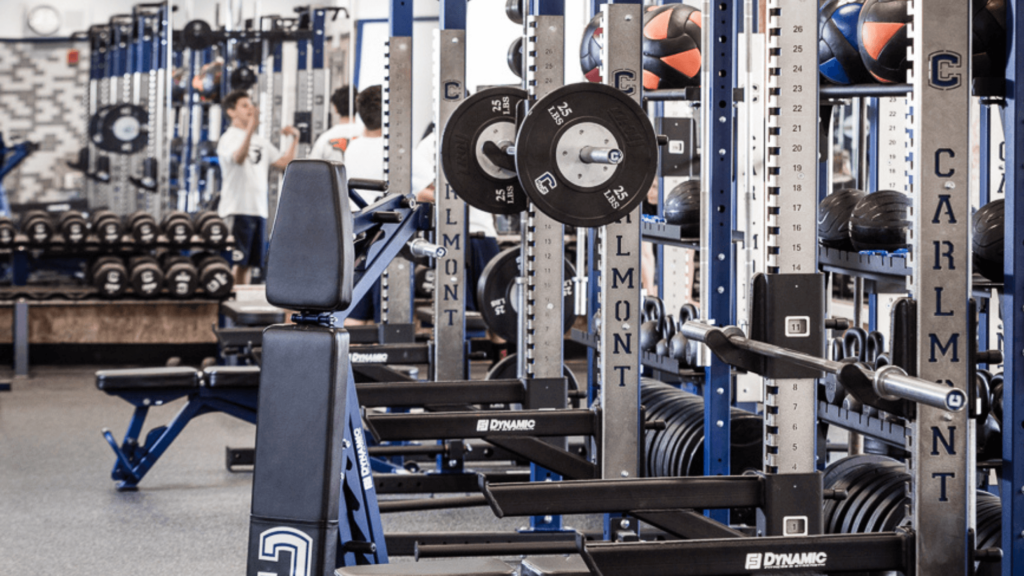
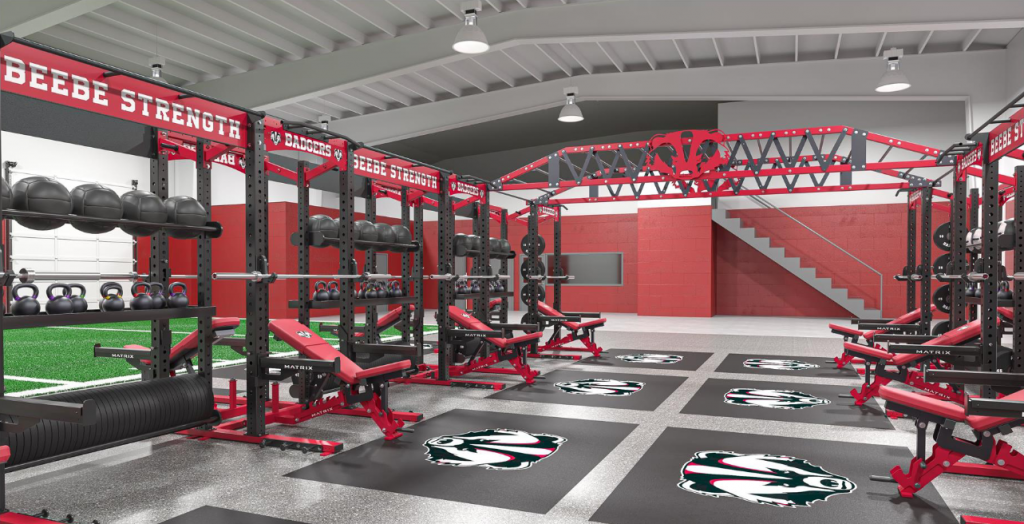
Your gym design professional can help you custom brand your equipment to create a sense of student pride, which is especially important at the college and university level. You can read more about custom-branded equipment here.
6. Integrating New Fitness Technology
Technology is constantly evolving, and today’s students may thrive most with the support it provides. Consider adding features such as fitness tracking systems, interactive workout stations, or digital displays that provide workout instructions and schedules.
If your school has a noteworthy athletic program, instant replay technology is now more accessible than ever in facilities. Collectively, these tools can help students set goals, track progress, and stay motivated, making the gym experience more engaging.
Join Our Newsletter!
7. Planning for Extracurriculars and Community Engagement
At every education level, the gym can serve as a community hub. For example, many university gyms allow outside memberships, community fitness classes, and athletic tournaments. Meanwhile, K-12 gyms are often the hot spot for school award ceremonies, science fairs, and other happenings.
An expert can help you design the space with your community events in mind. By fostering a sense of community, you can increase gym usage and promote a culture of health and fitness beyond school hours.
School, University, and College Gym Design and Equipment Services from Opti-Fit
Redesigning your school gym can help boost athletic programs, foster student wellness, and encourage participation. From school gym planning and design to equipment installation, Opti-Fit’s professionals are here to help. We invite you to view our portfolio or contact our experts to get started today.
As fitness facilities evolve to meet the growing demand for effective, versatile, and high-quality training options, Matrix gym equipment has become a trusted name in the industry. Known for its innovative designs, durability, and user-friendly features, Matrix offers a comprehensive range of equipment that caters to every aspect of fitness—from strength training and cardio to functional and group exercise.
In this guide, we’ll explore the various types of Matrix gym equipment, their unique features, and the benefits they bring to different types of fitness facilities. Whether you’re outfitting a commercial gym, school athletic center, or hotel fitness space, this guide will help you understand why Matrix equipment might be the right choice for your needs.
Why Matrix Gym Equipment?
Matrix is known for its commitment to quality, durability, and innovation. Their equipment is designed to withstand the rigors of daily use while providing an optimal workout experience. Here are some reasons Matrix stands out:
- Durable Construction: Built with high-quality materials, Matrix equipment can handle heavy use, making it ideal for commercial settings.
- Innovative Technology: Matrix integrates advanced technology into many of their products, such as touchscreen consoles and virtual training options, enhancing user engagement.
- Wide Range of Options: From cardio machines and strength equipment to group training solutions, Matrix offers a variety of products that can meet the needs of any fitness facility.
- User-Centric Design: Matrix focuses on comfort and ease of use, which helps to attract and retain members by providing a positive workout experience.
Now, let’s take a closer look at some of the standout categories of Matrix gym equipment.
How to Choose the Right Matrix Equipment for Your Facility
Selecting the right Matrix equipment depends on your facility’s goals, available space, and user demographics. Here are a few steps to guide your decision-making process:
- Assess Your Space and Needs: Determine which areas of fitness you want to focus on—cardio, strength, or functional training—and the types of users you expect.
- Evaluate Technological Features: Consider how important connectivity, interactive features, and data tracking are for your facility’s goals.
- Plan for Maintenance and Support: Matrix equipment is built to last, but regular maintenance is essential for peak performance. Ensure your provider offers comprehensive support and maintenance services.
Join Our Newsletter!
Matrix Cardio Equipment
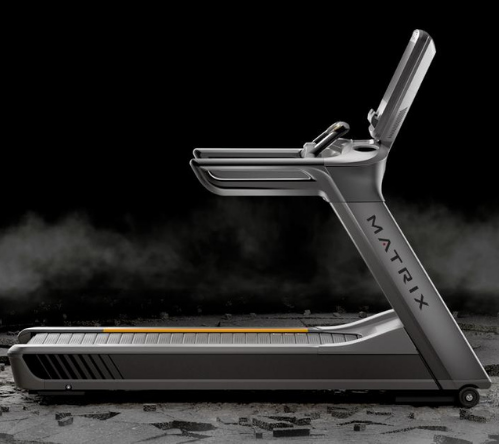
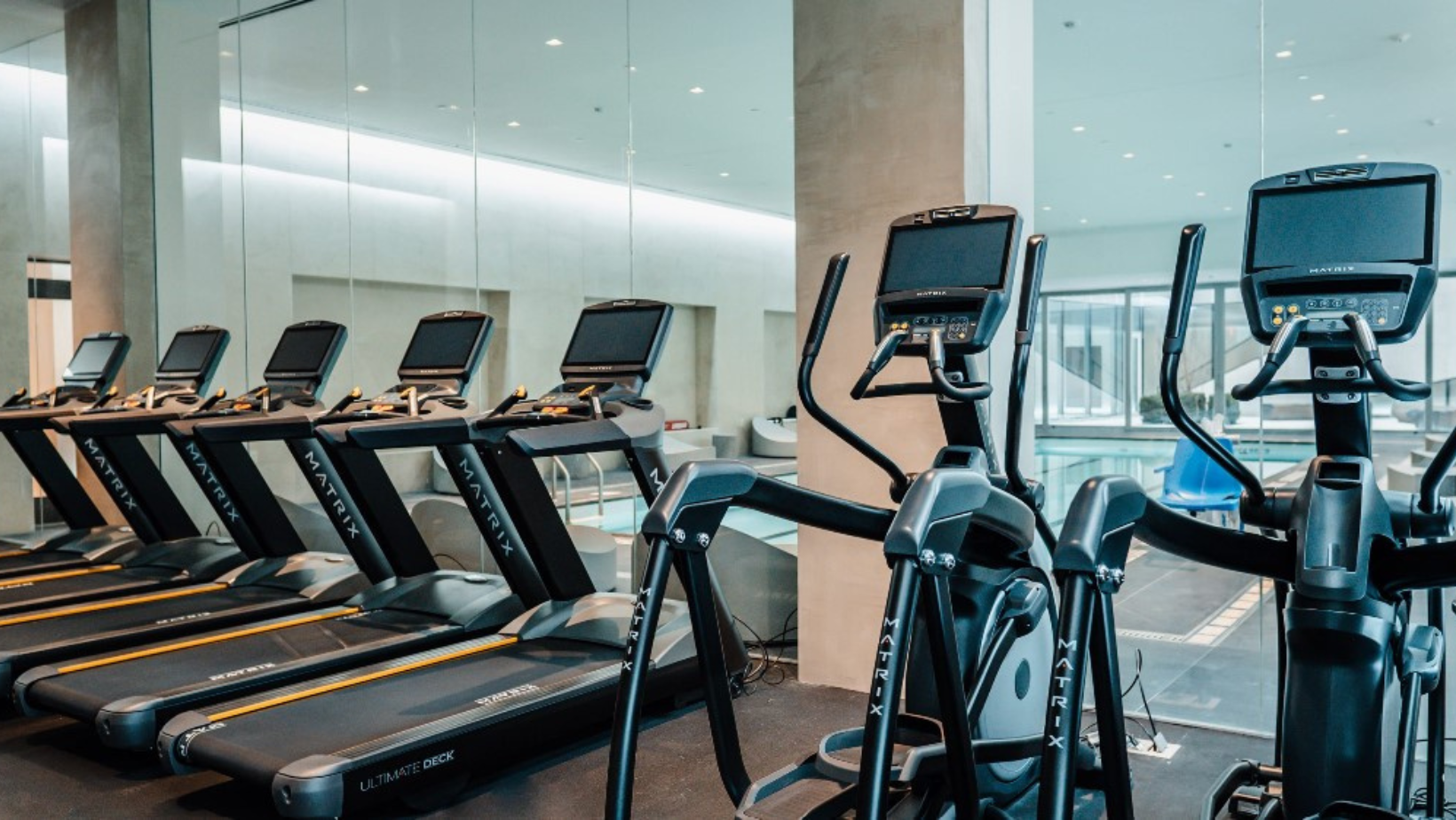
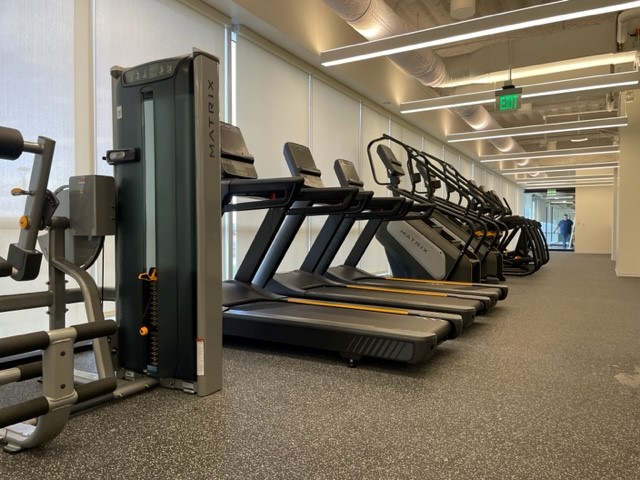
Matrix’s cardio equipment is extensive and designed to cater to all fitness levels. Within this category, their treadmills are well-known for both durability and technological integration. These treadmills often feature Dynamic Response Drive Systems that provide a smooth and natural running experience, making workouts more enjoyable. Additionally, many models come equipped with touchscreen consoles that offer a range of virtual training and entertainment options. With robust construction and low-maintenance decks, Matrix treadmills are built to withstand high-traffic usage, making them ideal for commercial fitness settings.
The elliptical machines from Matrix provide an excellent low-impact workout, delivering a high-calorie burn while remaining gentle on the joints. One of their standout features is Variable Stride Technology, which adapts to the user’s natural movements, enhancing comfort and efficacy. The Suspension Elliptical™ Design eliminates the need for rollers or tracks, creating a quieter and smoother experience. Furthermore, the intuitive consoles offer options for interactive workouts and connectivity, enabling users to stay engaged and connected during their exercise routines.
Matrix bikes combine comfort, adjustability, and advanced technology to enhance the cycling experience. These bikes utilize magnetic resistance systems that ensure a smooth and quiet ride, creating a more enjoyable and less disruptive environment for users. They also offer multiple adjustments, allowing individuals to find their ideal riding position, which is particularly beneficial for extended workout sessions. The interactive consoles provide a variety of options for syncing with fitness apps and accessing virtual training programs, adding versatility and appeal to traditional cycling workouts.
Finally, the ClimbMill by Matrix reimagines the traditional stair climber with innovative features. Dynamic Step Control adjusts to each user’s speed, offering a personalized workout experience, while the Step Positioning Software keeps the steps in an optimal position to reduce knee strain. Additionally, the Virtual Active™ Console enhances the experience by providing immersive, on-screen trails from around the world, allowing users to feel as though they’re exploring new environments with every workout.
Matrix Strength Equipment
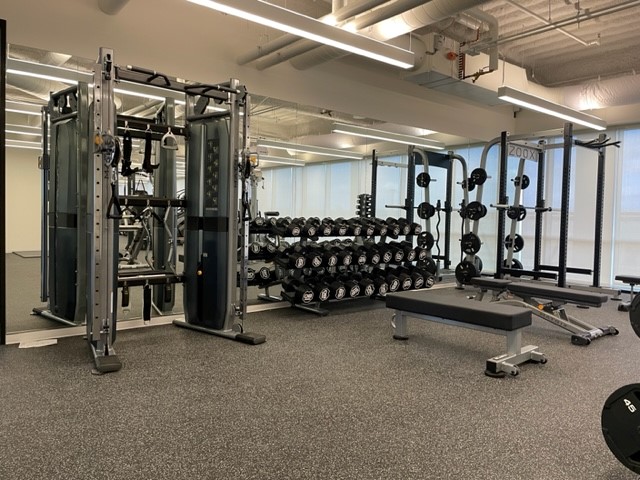
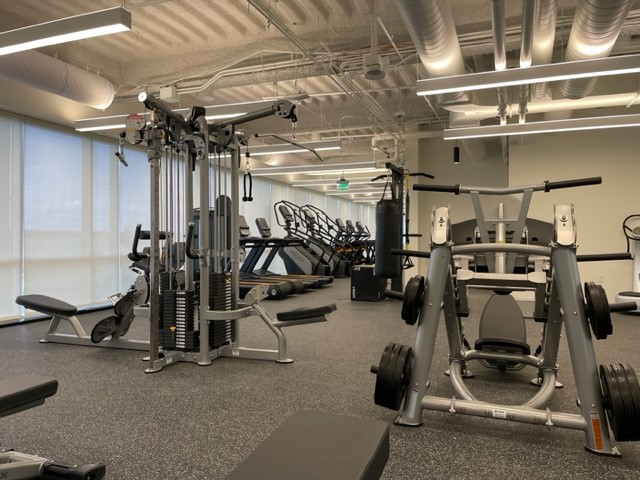
Matrix’s strength equipment is crafted to be both functional and aesthetically pleasing, with options suitable for a variety of strength training exercises. Their selectorized machines are a safe and controlled way to target specific muscle groups. These machines are designed with easy-to-use adjustments that are clearly marked, making them accessible to both beginners and advanced users alike. The precision bearings provide smooth movement and reduce wear over time, ensuring longevity and consistent performance. With their compact design, Matrix selectorized machines are ideal for facilities where space is at a premium.
For those who prefer free-weight training, Matrix’s plate-loaded machines deliver outstanding performance and durability. Each machine is designed with biomechanically sound movements, which enhance safety and maximize the effectiveness of workouts. The heavy-duty construction ensures these machines can handle high usage and heavy weights, making them a durable choice for busy gyms. Additionally, the plate-loaded equipment can be customized with branding or color options, allowing facilities to create a cohesive look that aligns with their identity.
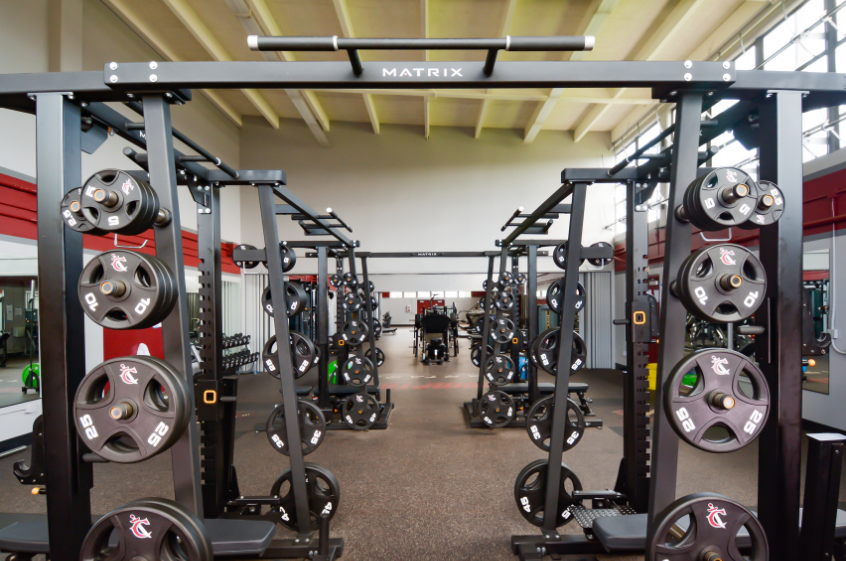
Matrix’s functional training systems offer a variety of rigs and accessories designed to support dynamic, multi-directional workouts. These systems typically feature multiple stations, making them suitable for group training sessions where multiple users can work out simultaneously. The modular design of these systems allows for customization based on specific space and usage needs, which is valuable for creating versatile training environments. Integrated accessory storage helps keep equipment like kettlebells, medicine balls, and resistance bands organized and readily accessible, adding convenience to any training session.
Group Training Solutions
For group training, Matrix provides several products specifically tailored to accommodate multiple users and varied workout styles. The S-Force Performance Trainer, for instance, is ideal for high-intensity interval training. It offers adjustable resistance levels and real-time performance feedback, which keeps users engaged and challenged throughout their sessions. Matrix’s rowing machines are also popular in group settings, designed with features that promote proper form and provide a realistic rowing experience, making them both effective and enjoyable. Additionally, Matrix offers a range of racks and accessories that support group workouts by creating a functional and versatile training space. These components are designed to accommodate a variety of exercises, enabling trainers to deliver a well-rounded fitness experience for their clients.
Interactive and Connectivity Options
One of the standout features of Matrix equipment is its seamless integration with fitness apps, wearable devices, and entertainment systems, which enhances user engagement. Many machines come equipped with Virtual Active™ and other interactive features, allowing users to track and sync workout data with personal devices. This connectivity provides users with access to entertainment apps, virtual training programs, and immersive experiences like lifelike trails and tracks, which add a new dimension to their workouts. By offering such a range of interactive options, Matrix equipment helps facilities meet the growing demand for tech-integrated fitness solutions that keep users motivated and connected.
How to Choose the Right Matrix Equipment for Your Facility
Selecting the right Matrix equipment depends on your facility’s goals, available space, and user demographics. Here are a few steps to guide your decision-making process:
- Assess Your Space and Needs: Determine which areas of fitness you want to focus on—cardio, strength, or functional training—and the types of users you expect.
- Evaluate Technological Features: Consider how important connectivity, interactive features, and data tracking are for your facility’s goals.
- Plan for Maintenance and Support: Matrix equipment is built to last, but regular maintenance is essential for peak performance. Ensure your provider offers comprehensive support and maintenance services.
Matrix Equipment Distributor
Matrix gym equipment offers a comprehensive range of solutions for any fitness facility. From durable cardio machines and versatile strength equipment to group training solutions with cutting-edge technology, Matrix is a go-to choice for fitness spaces looking to enhance user experience and maximize functionality.
If you’re considering Matrix equipment for your facility and want to explore how we can tailor a solution to your specific needs, contact us at Opti-Fit. We’re here to guide you through every step of the process, from planning and design to installation and beyond. Let’s bring your fitness vision to life!
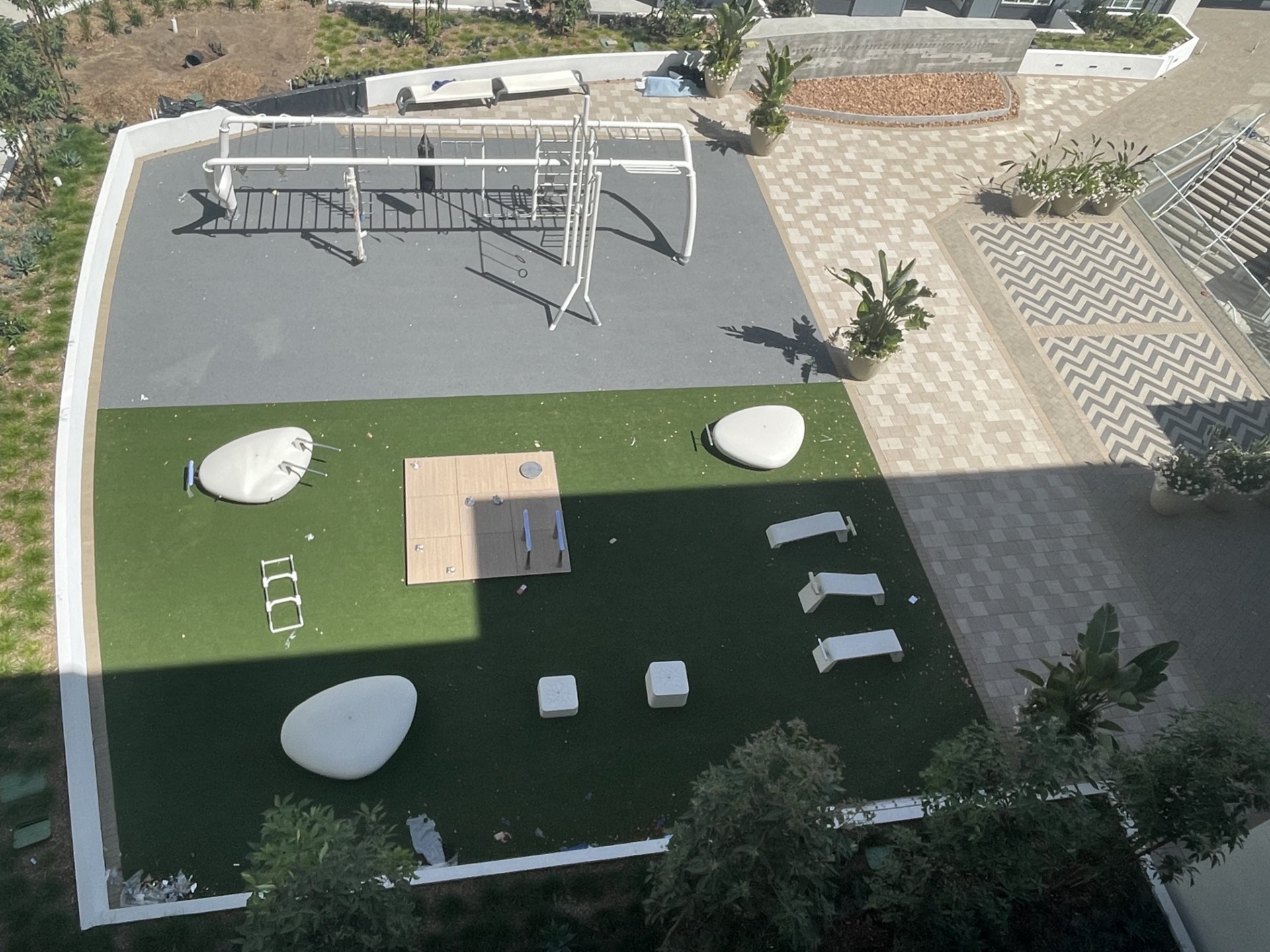
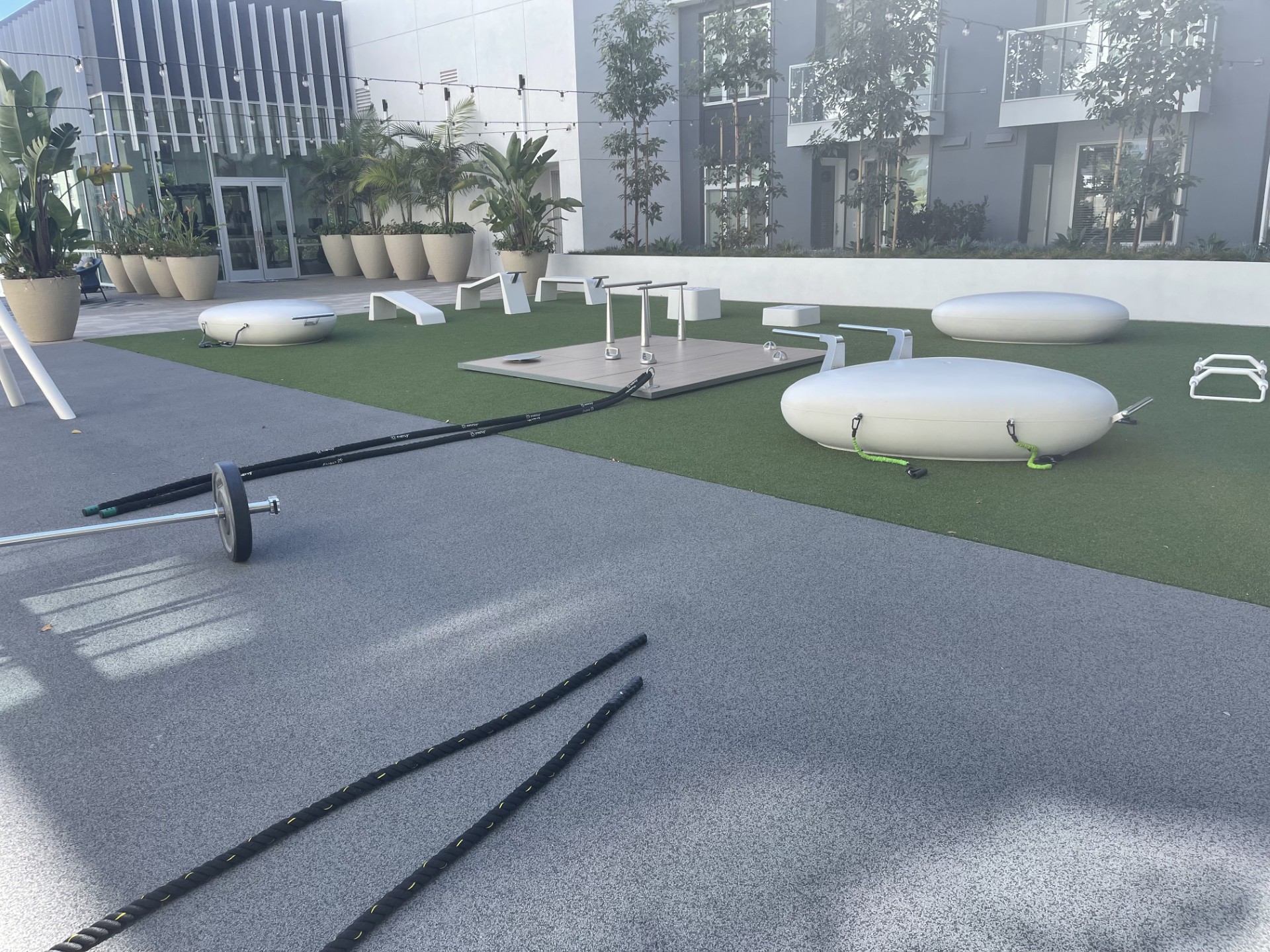
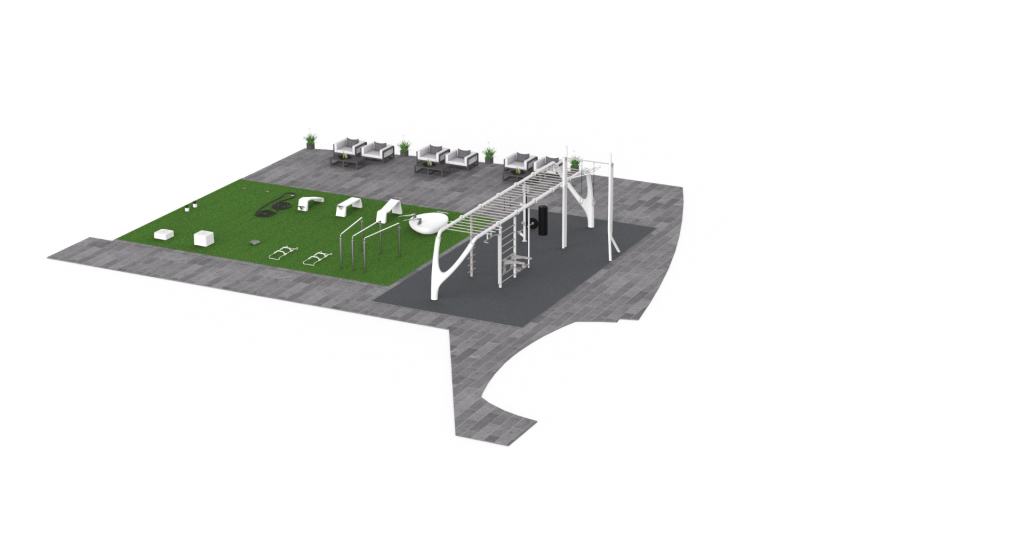
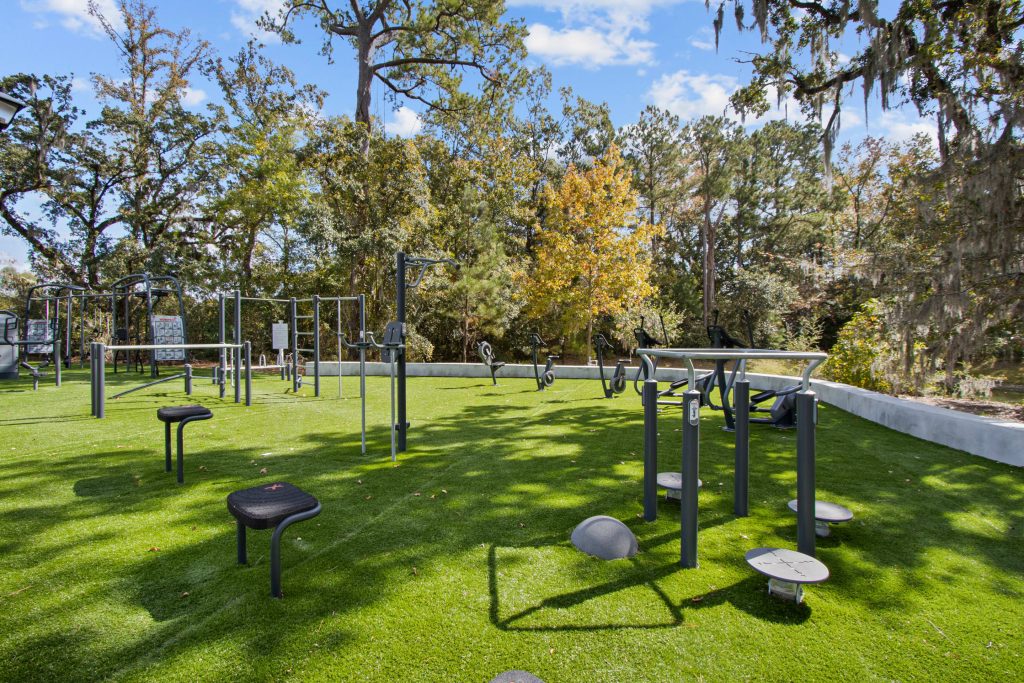
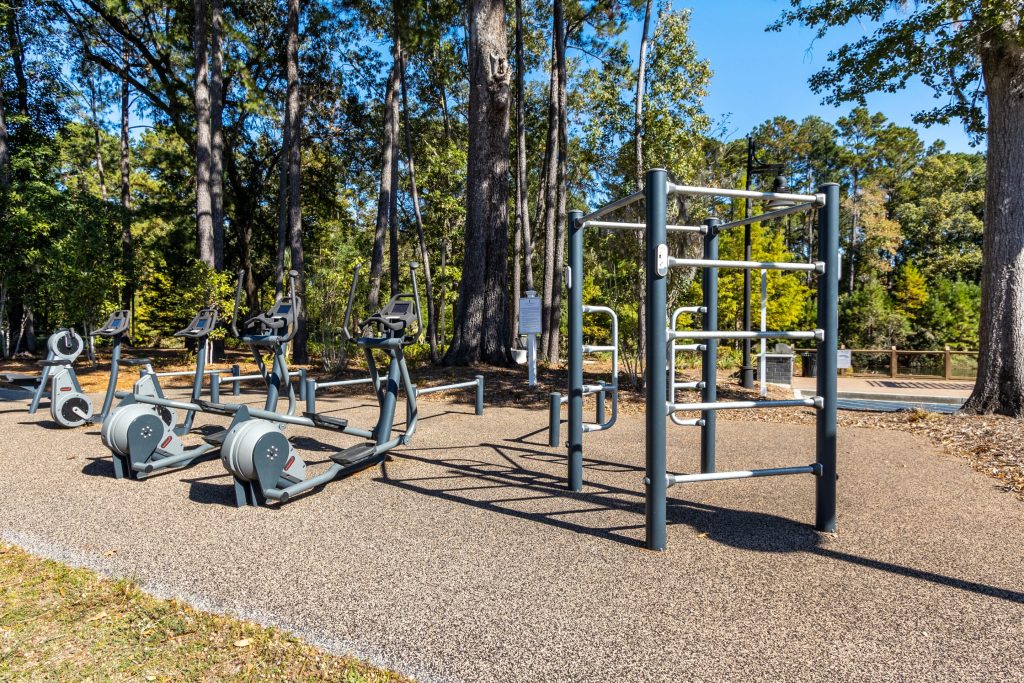
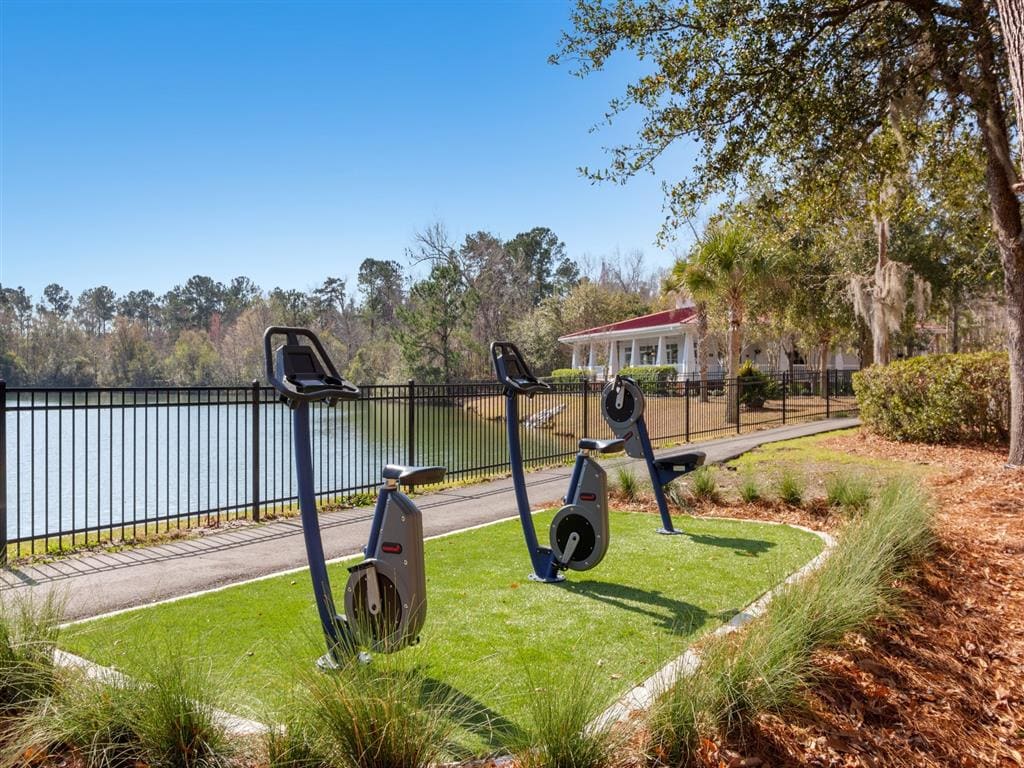
The growing trend of outdoor fitness spaces has gained popularity as more people seek creative ways to stay active. Whether you have an apartment rooftop, or an outdoor turf, designing an outdoor gym can be a fantastic investment and a creative way to add square footage to your fitness space. As the popularity of outdoor fitness continues to grow, many wonder if this trend is here to stay. Outdoor fitness spaces offer unique benefits that suggest they’re more than just a fad increasing demand for outdoor gyms that maximize space and functionality.
When space is limited, it’s essential to prioritize functionality and efficiency, ensuring you make the most of every square foot. Here’s how to approach designing a compact, yet highly effective outdoor gym.
1. Assess Your Space and Fitness Needs
The first step in designing an outdoor gym space is understanding your space’s dimensions and what type of amenities you are hoping to offer. Measure the space and consider what it will be used for most often so you can choose the right commercial gym equipment to make the most of every inch.
2. Invest in Versatile, Multi-Functional Equipment
For gym owners, space is often at a premium, so it’s crucial to select equipment that serves multiple purposes. Instead of dedicating space to large machines or equipment with limited use, opt for versatile tools that provide a wide range of training options.
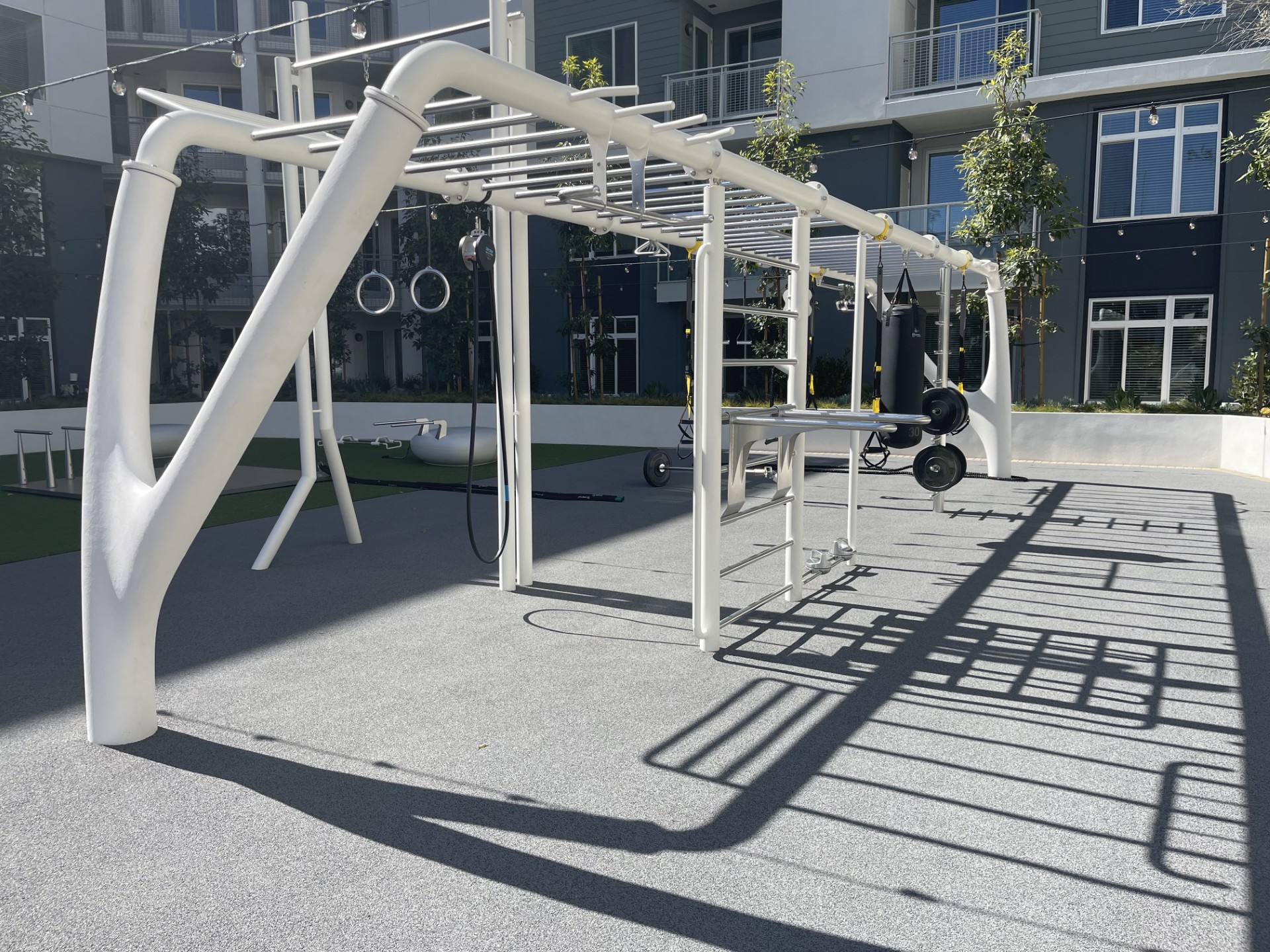
- Functional training rigs: These can serve as the centerpiece for bodyweight exercises, suspension training, and resistance work.
- Kettlebells, dumbbells, and medicine balls: These are compact and allow members to work on strength, power, and endurance without taking up too much space.
- Portable benches: Folding or lightweight benches can be used for strength training and easily stored when not in use.
- Resistance bands and battle ropes: These low-cost, portable tools offer a wide range of exercises for members of all fitness levels.
By investing in multi-use equipment, you can ensure that your outdoor gym offers a comprehensive workout experience without requiring a large footprint.

3. Opt for Vertical Storage Solutions
When floor space is tight, vertical space becomes a valuable asset. Use walls or racks for storage, or install wall-mounted pull-up bars or suspension training systems to add functionality without sacrificing floor space. Vertical storage options, such as shelving for smaller equipment like kettlebells and yoga mats, help maintain a clean and organized space, making it more inviting for your members.
4. Install Durable, Weather-Resistant Flooring
Since your outdoor gym will be exposed to the elements, choosing the right flooring is critical. Gym owners should look for flooring options that provide comfort, safety, and durability. Rubber tiles, artificial turf, or weather-resistant flooring are ideal for outdoor fitness spaces, offering traction and shock absorption. Make sure the flooring is easy to clean and can withstand the demands of heavy foot traffic, weights, and the outdoor elements.
5. Utilize Every Inch
Every part of your outdoor area can be utilized creatively. For example, the side of a building or a sturdy fence can support wall-mounted equipment like a punching bag or a climbing rope. Consider using modular flooring that can be easily removed or adjusted to accommodate different activities.
Join Our Newsletter!
6. Design for All Seasons
An outdoor gym should be functional year-round. If you live in a climate with extreme weather, consider installing a retractable awning or canopy to protect your equipment and provide shade or shelter during workouts.
7. Partner with Experts
If you’re unsure how to best utilize your space, partnering with experts like those at Opti-Fit can make a world of difference. Opti-Fit specializes in creating customized fitness solutions that maximize efficiency and functionality, even in small outdoor areas. Their team can help you select the right equipment and design a layout that meets your specific needs.
Outdoor Gym Design & Installation
Designing an outdoor gym for a small space is about making smart choices that enhance both functionality and enjoyment. With careful planning, multi-functional equipment, and a bit of creativity, you can turn any small outdoor area into a thriving fitness zone. For those looking for expert guidance and top-quality equipment, consulting with professionals like Opti-Fit can ensure your outdoor gym is not only efficient but also inspiring.
Start planning your outdoor gym today and embrace the benefits of exercising in the great outdoors attract a broader range of members and encourage long-term loyalty.
Seattle University Athletics Announces Jeff and Korynne Wright Athletic Performance Center
SEATTLE – Seattle University Athletics has announced the renovation and naming of the Jeff and Korynne Wright Athletic Performance Center.
“We are thrilled to take this important step in the athletics facility master plan,” said Director of Athletics Shaney Fink. “The Jeff and Korynne Wright Athletic Performance Center reflects Seattle University’s commitment to competitive excellence through student athlete-centered initiatives that focus on performance and well-being. By providing Redhawk student-athletes with a state-of-the-art performance center, we are empowering our athletes with the resources necessary to achieve their aspirations.”
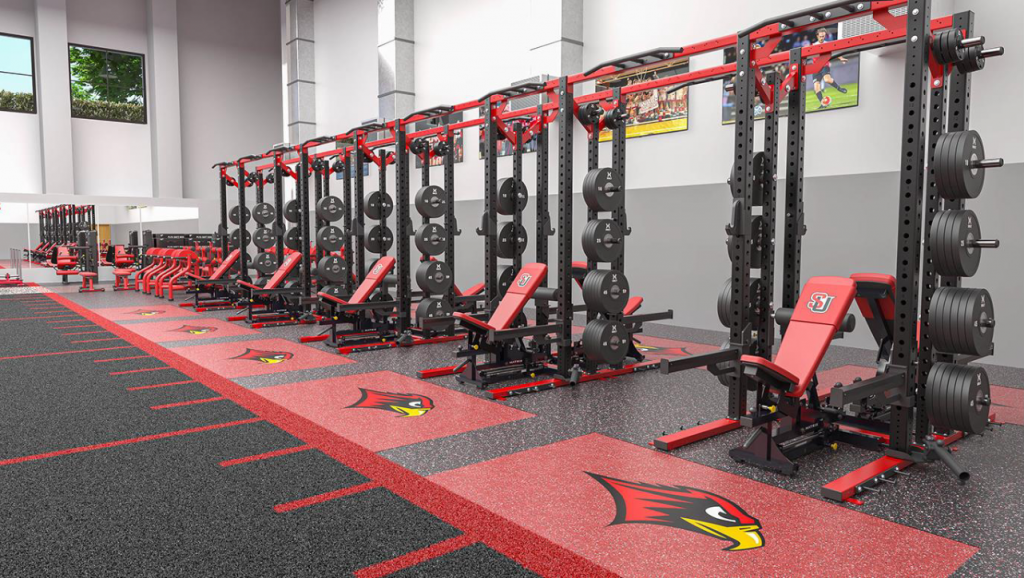
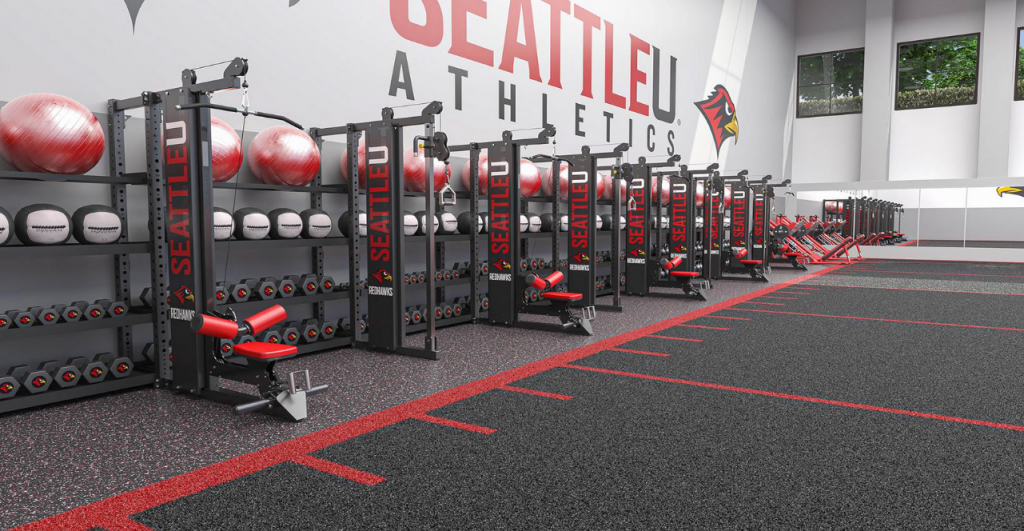
The new Jeff and Korynne Wright Athletic Performance Center, utilized by all Redhawk sports programs, will include all brand-new equipment, including cable machines and two-sided weight racks to optimize space, as well as a new sound system and television displays. A new flooring system will include an offset turf surface. In partnership with the College of Arts and Sciences, force plates and a camera monitoring system will be installed, allowing for enhanced biomechanics testing and research opportunities for the Department of Kinesiology.
An additional 600 square feet will be dedicated to a fueling and nutrition station, rehabilitation space, and workstations for the athletic performance staff.
“We are proud to support the mission of Seattle University Athletics and invest in the new athletic performance center,” said Jeff and Korynne Wright. “The athletic performance center will impact every student-athlete at Seattle University, and we are excited to see their growth and development in action.”
Construction is scheduled to begin in early May with a planned reopening and ceremonial ribbon-cutting event in late July.
“We are excited for the opportunities that the refreshed space, new equipment, and technology will provide Redhawk student-athletes,” said Head Athletic Performance Coach Aaron Sanchez. “Every square foot was considered to not only maintain our current capacities but to add research-based performance concepts for injury prevention and increased performance with respect to the demands of each of our sports.”
The total project is expected to cost $1.3 million, with full funding coming from private donations.
Opti-Fit Fitness Solutions Design:
The Seattle University Performance Center Gym, a 5,000-square-foot training facility primarily designed for University athletes, features a range of equipment from manufacturers like
Matrix, Atlantis, and Ecore flooring. Key highlights include Matrix MX Dual Squat Racks and a custom cable/shelving unit, allowing efficient use of space for various teams and athletes.
The flooring boasts custom Performance Beast drop zones with branded logos and Ecore FlexTurf Monster Turf in black with red lines. The gym design was a collaborative effort between Brad Boggs and
Head Athletic Performance Coach, Aaron Sanchez, bringing their vision for the ideal training space to life.
For information on how Opti-Fit can transform your athletic performance center contact us here.
For gym owners and fitness managers, creating an inviting and motivating space for members is a top priority. That’s why so many turn to Opti-Fit for their gym design and equipment needs. At Opti-Fit, we are dedicated to creating spaces that are engaging and motivating for both beginners and experienced gymgoers. Let’s discuss how our designs can help optimize your gym space.
Unique Gym Design Solutions
The team at Opti-Fit understands the importance of making your gym space stand out from the competition, which is why our designs come in an array of colors, patterns, sizes, and shapes to fit any aesthetic. We believe in customization; no two gyms should look the same! Our designs are also made with ergonomics in mind—each piece of equipment is designed with comfortability in mind so that users feel comfortable while working out.
We understand that not all gyms have the same budget constraints when it comes to equipping their gyms; that’s why our team can work within any price range to provide the best solutions possible. We never sacrifice quality—no matter what the budget—so you can be sure you’re getting value for your dollar.
Functionality & Safety First
In addition to aesthetics, safety is also a key priority of ours when designing a new gym space or updating existing equipment. All of our designs are tested for safety before they reach your floor—we check for wear-and-tear on pieces such as bolts and screws that could lead to potential accidents or injuries down the road. We also have strict guidelines when it comes to testing our equipment for functionality; each piece must pass rigorous functionality tests before being released into production. This means we can guarantee you will have reliable machines that will last for years to come!
At Opti-Fit, we understand the importance of having a safe, functional, and aesthetically pleasing gym environment that encourages people to stay active and motivated throughout their fitness journey. With our unique design solutions coupled with stringent safety standards, we can create customized spaces tailored specifically towards your individual needs—on any budget! Whether you’re looking to completely overhaul your existing gym or just make some minor improvements here and there—Opti-Fit has got you covered! Contact us today to get started on optimizing your gym space.
 COVID has spawned one thing consistently in 2020 — and that’s the creativity of business owners in meeting rapidly changing regulations and consumer demand. One of those changing areas has been the advent of the “outdoor gym.” To be clear, outdoor exercise equipment has existed for a long time, but people in rainier climates like San Francisco often avoided it due to moisture, while people in hot dry climates like Las Vegas avoided outdoor exercise due to heat.
Now that indoor gyms are mostly closed, outdoor workouts are the latest fad. To capitalize on this you’ll need to understand the latest design options when creating your outside gyms and classes during COVID 19.
Designing your Unique Outdoor Gym
Go beyond simple product selection with a master plan. Professional gym design services can help you understand not only the best equipment for outdoors but also the best equipment for your physical space. Learn about how to set up not just 6ft apart, but with room to use your equipment correctly.
Experienced consultants will help inspect your area, incorporating square footage, lighting, budget, and much more into your initial estimate. During planning you’ll talk about the service your guests need. Will you focus more on cardio or strength training? Is your facility designed for families or singles? You’ll work to create a safe traffic flow and visibility for any instructors.
Before your build is finalized, it’s time to visualize in the design phase. Using advanced computer rendering you can picture your outdoor gym before it’s built. Your plan will be ready down to the length of cord needed to plug in that treadmill.
Understanding your Local Regulations
 Experienced professionals will be up to date on the local laws and regulations of where they sell, but it never hurts to review in these fast-changing times. Consider if you would prefer spaced out machines or if you are willing to shut down equipment that sits too close together for current pandemic measures. You might want to set up your gym to accommodate reservations to work out instead of having open entry. Do you have space for sanitizing stations and disposable masks, additional airflow and ventilation, and full cleaning between users?
It’s a lot of information to take in when planning, which is why expert support is so important right now. Outdoor gyms are going to be important to the fitness industry for a long time to come, and now is the time to get started.
Contact the fitness equipment professionals at Opti-fit to learn more.
There are pros and cons to running a fitness center on a multi-housing property. The advantages can allow you to bring in more revenue, and the disadvantages can cost you. Are your cost benefits for that fitness center balanced in your favor?
Pros
Tenants will pay higher rent to live in a building with a gym.
Tenants love to think that they have the opportunity to better themselves even if they never do and will pay up to live in a place that has a fitness center.
Enhanced Community Experience
You can enhance the community living experience by offering group classes, weight loss clinics, new equipment from time to time, and other incentives at your fitness center.
Cons
Cost
You mainly have the cost to create and keep up the facility. If you do not put the fitness center together properly or you fail to keep up with maintenance, you could face liability costs as well.
Liability Costs
As far as liability is concerned, you will want to see what your current liability insurance will cover. What exculpatory clauses are in your rental agreement and what exactly do they cover? Have you listed an indemnification agreement often called a hold harmless agreement that extends to the gym in you lease as well?
If you have these in place, your extra liability costs to run a fitness center will remain only the cost you pay to your insurer for liability insurance; AS LONG AS you design the center properly and keep the center in good working order. If a tenant or guest gets sick or hurts themselves, and it is a result of your negligence, you do risk a lawsuit.
Before adding a fitness center to your multi-housing facility, talk to a lawyer about your current lease agreement, and if it needs to be amended. Look for qualified fitness center design services to build the safest and easiest to upkeep gym possible.
Opti-Fit can help you design a safe and clean gym that your tenants will love, and do it on budget. We also offer equipment servicing and will help you plan and replane as new equipment is released and trends come about. Visit the Opti-Fit website today for more information.
 Planning a multi-family fitness center on your own is a big job. You will want to be sure to have all of your ducks in a row. If you are building a multi-housing fitness center, here are some tips to follow when planning out your multi-family gym.
Fitness Equipment
When it comes to choosing the fitness equipment for your new fitness center you are going to have to take a few things into consideration. First, you will want to think about how many people will be attending your gym during busy hours.
One way to get a handle on this is to check out other residential fitness centers in the area during the morning and the evening. You can get an idea of what your clientele load will look like by comparing the total number of residents to the total number of residents that you will have. Understanding your clientele load will give you an idea of how many treadmills, ellipticals, floor space, and amount of other popular equipment that you should have in your fitness center.
You will also want to go have a look at some of the popular commercial gyms to see what attracts clients to go out of their way to workout at that place. Once you get a good idea of what it is these places offer that others do not, you can model your fitness center space after it. For example, if one gym is famous for fire engine red kettlebells, then you could purchase all bright orange ones.
One important seemingly small piece of gym design is to ask yourself if the space is ADA compliant. Your property likely has some apartments that service the disabled; you will want to be sure that your fitness center will as well.
There are two critical components to design. One is traffic flow, and the other is grouping.
When thinking about traffic flow, you will want to be sure that there is adequate space for people to use each piece of equipment. You will also want to consider the amount of room that will be needed for people to travel from piece of equipment to piece of equipment. You don’t want to risk free weights being strewn in walking pathways where people can trip and hurt themselves.
Grouping equipment by type of exercise works great for most gyms. This works because it cuts down on the amount of space needed between each piece of similar equipment. Grouping equipment properly also encourages interaction between residents and creates better traffic flow in the whole fitness center space.
Infrastructure
Many people tend to overlook the underlying infrastructure of their fitness center until it is too late. They will get the space all set up, plug everything in and blow a fuse, people complain about lighting, or the place starts to smell like dirty socks right away.
Be sure to have a licensed electrician come in and install all of the proper elements for your gym to run smoothly. Also, the electrical configuration needs to be up to code with the city so that it does not get shut down upon the first inspection.
You will want to have proper lighting; lighting is essential in a fitness center. Most people do not enjoy working out in the dark; they also risk hurting themselves when the lighting is poor. Take the time to be sure each area is adequately lit and use green solutions when you can, such as natural lighting or eco-friendly light bulbs.
The case of the gym that smells like dirty socks is almost always the result of poor ventilation. Your multi-family fitness center is going to have to be well ventilated like the rest of the property. There are many ways to take care of this issue, talk to your HVAC service provider or consider purchasing a standalone air filtration system.
If you are planning to design your own multi-family fitness center in California or Nevada; be sure to do plenty of research. Many points to consider have been listed here. Should you have, more questions contact a Opti-Fit at 888-601-4350 or info@opti-fit.com for a FREE consultation.