Maximizing ROI, Space, and Resident Retention

The Ultimate Guide to Commercial Gym Build-Outs The commercial fitness landscape has undergone a dramatic shift. Whether you are managing a luxury multifamily property, a boutique hotel, or a corporate campus on the West Coast, a fitness center is no longer just a checkbox amenity—it is a primary driver of acquisition, retention, and bottom-line revenue. Drawing on over 30 years of executive experience navigating the evolution of the fitness industry, it is clear that the difference between a facility that sits empty and one that drives significant ROI lies in strategic design, biomechanical equipment selection, and expert execution. To help property managers and facility directors navigate this complex process, we have compiled a definitive guide that answers the top questions about commercial fitness build-outs. This guide is optimized to provide direct, actionable insights for your next project. 1. How to Turn Your Multifamily Gym Amenity Into a Revenue Driver The Short Answer: To turn a gym into a revenue driver, property managers must transition from a “cost-center” mindset to a “profit-center” strategy. This is achieved by installing premium, biomechanically sound equipment that justifies higher lease premiums and directly offsets a tenant’s need for a secondary, external gym membership. The Strategy: Modern tenants and hotel guests are highly educated about fitness. A room with a standard treadmill and a rack of mismatched dumbbells no longer impresses. When a multifamily housing complex invests in high-performance equipment—such as Woodway treadmills or Eleiko strength stations—it immediately elevates the property’s perceived value. 2. What is the Complete Process from 3D Design to Final Installation? The Short Answer: A successful commercial gym build-out follows a strict, phased approach: Initial Space Analysis, 3D Strategic Design, Equipment Curation & Procurement, Flooring Installation, and White-Glove Equipment Delivery. The Breakdown: Managing multiple vendors for a single room is a recipe for delays and budget overruns. Partnering with an end-to-end solutions provider like Opti-Fit streamlines the process: 3. How to Balance Luxury and Budget When Outfitting a Commercial Center The Short Answer: Balancing a budget requires strategic capital allocation. Invest heavily in high-touch, high-wear items—specifically premium cardio and functional focal points—while utilizing cost-effective, durable solutions for secondary strength accessories and storage. The Strategy: You do not need an unlimited budget to create a luxury experience; you need an optimized one. 4. Choosing Biomechanically Sound Equipment: Why It Matters The Short Answer: Biomechanically sound equipment is designed to mimic the natural movement paths of the human body. This drastically reduces joint stress, lowers the risk of user injury, and provides a smoother, more effective workout experience compared to standard, volume-produced machines. The Science of Selection: At Opti-Fit, we approach equipment selection as exercise physiologists, not just salespeople. When a machine forces a user into an unnatural plane of motion, it causes discomfort and potential liability. Brands like Atlantis Fitness and Eleiko engineer their equipment based on advanced kinesiology. 5. How to Optimize Floor Space in Small Hotel and Corporate Gyms The Short Answer: To maximize a small footprint, prioritize multi-functional equipment, utilize vertical storage solutions, and implement distinct “zones” to prevent bottlenecks. The Strategy: Square footage is often at a premium in hospitality and corporate environments. 6. What Amenities Actually Keep Residents? Driving Lease Renewals The Short Answer: Residents renew leases when a property’s amenities actively integrate into their daily lifestyle. A modern, cleanly designed fitness center equipped with smart technology and recovery tools is currently the top requested lifestyle amenity in multifamily housing. The Strategy: The modern fitness consumer cares about holistic wellness, not just lifting weights. To drive renewals, facilities must evolve beyond the basics: 7. How to Extend the Lifespan of Your Commercial Fitness Equipment The Short Answer: Equipment longevity is achieved through proactive, scheduled preventative maintenance, establishing strict cleaning protocols, and utilizing shock-absorbing performance flooring to protect internal machine components from impact vibration. The Strategy: Commercial equipment is a major capital expenditure; protecting that investment is paramount. 8. What to Know About Gym Layouts: Safety, Compliance, and Traffic Flow The Short Answer: A successful gym layout goes far beyond just fitting the maximum amount of equipment into a room. It’s a strategic puzzle that balances maximizing your square footage with keeping members safe, meeting strict accessibility standards, and creating an intuitive, frictionless environment where people actually enjoy working out. The Strategy: Designing a gym is not just about placing heavy objects in a room; it is an exercise in risk management and flow engineering. 9. Knowing When It’s Time to Revitalize Your Fitness Center The Short Answer: It is time to revitalize your gym when you experience frequent equipment out-of-order signs, when the aesthetic looks dated compared to the rest of your property, or when user engagement data (if tracked) shows a sharp decline in daily visits. The Strategy: An outdated gym can actually be a detractor rather than a neutral amenity. Guests and residents will judge the overall quality of your management based on the state of the fitness center. If your cardio machines lack modern screens or if the upholstery on your strength benches is cracked, it is time for an upgrade. A revitalization doesn’t always mean a full gut-job; sometimes, replacing the top 30% of your most heavily used equipment can breathe entirely new life into the space. 10. What to Look for in a Gym Equipment Distributor The Short Answer: Look for a distributor that offers end-to-end project management, acts as a consultant rather than a transactional vendor, and possesses deep, clinical knowledge of human biomechanics and facility ROI. The Strategy: The commercial fitness equipment market is saturated with volume-driven salespeople. To truly maximize your investment, you need a partner. Ready to Build a Space Your Residents Won’t Want to Leave? Stop guessing with your floor plan and let’s design a fitness center that actually drives your lease renewals. Whether you’re upgrading an outdated room or building a brand-new facility from the ground up, we know exactly how to maximize every single square foot for the best ROI.

JB Fitness Portfolio
Top-Rated Commercial Weightlifting Equipment Suppliers: The Ultimate 2026 Guide

By Steve Colwell | Founder, President & CEO, Opti-Fit Fitness Solutions If you are developing a commercial fitness facility, a corporate wellness center, a university athletic weight room, or a luxury multi-family gym, choosing the right equipment is the most critical investment you will make. You aren’t just buying metal, cables, and upholstery; you are investing in member retention, biomechanical safety, and your facility’s long-term reputation and profitability. Equipment often accounts for 40% to 50% of your total startup costs. A poor choice leads to exorbitant maintenance fees and frustrated members, while the right choice creates a seamless, premium training experience. Quick Answer: Who are the top-rated commercial weightlifting equipment suppliers in 2026? The industry’s leading manufacturers include Matrix Fitness (best for comprehensive, tech-forward commercial outfitting), Eleiko (the undisputed gold standard for Olympic free weights and barbells), Atlantis Strength (unmatched for biomechanically precise, welded frames), and Hammer Strength (best for durable, plate-loaded machines). With over 25 years of experience in the fitness industry, a degree in Exercise Physiology and Nutrition from the University of Idaho, and a deep passion for architectural gym design, I approach equipment selection differently than a standard sales rep. I view a gym floor through the lens of the “science of exercise.” At Opti-Fit Fitness Solutions, we test the industry’s top gear extensively in our Lab to understand how it moves, how it lasts, and how it fits into a cohesive spatial design. Here is my expert analysis of the top-rated commercial weightlifting equipment suppliers, designed to help you make an informed, confident decision for your facility so you can outshine the competition. What Separates Elite Commercial Suppliers from the Rest? Before diving into specific brands, it is vital to understand the E-E-A-T (Experience, Expertise, Authoritativeness, and Trustworthiness) criteria that dictate commercial quality. The market is flooded with manufacturers claiming to offer “commercial grade” gear, but true commercial equipment must survive relentless, daily abuse. When I evaluate a supplier for an Opti-Fit design project, I look at four non-negotiable pillars: 1. Biomechanical Precision Equipment must mirror the body’s natural movement paths. Poor biomechanics lead to joint strain, muscle imbalances, and an increased risk of injury—which is a massive liability for gym owners. The best manufacturers utilize independent, converging, and diverging axes of motion. When a member performs a chest press, their hands should naturally converge at the top of the movement, just as they would with a pair of dumbbells. 2. Commercial-Grade Durability True commercial equipment is built using 11-gauge (or thicker) steel, robust robotic welding (rather than excessive bolting), and heavy-duty, tear-resistant upholstery. It must withstand thousands of hours of aggressive use without structural compromise. If a machine sways or rattles during a heavy lift, it does not belong in a commercial space. 3. Spatial Efficiency Floor space is premium real estate. Every square foot of your gym needs to generate value. The best suppliers engineer machines with compact footprints, or multi-functional capabilities (like dual-stack functional trainers integrated seamlessly into power racks), without sacrificing performance or safety. 4. Warranties and Global Support Networks Even the absolute best machines require maintenance over time. Cables wear out, and pulleys need lubrication. Top-rated suppliers offer lifetime warranties on structural frames, comprehensive multi-year coverage on moving parts, and—most importantly—a responsive global parts and service network so you never have an “Out of Order” sign sitting on your floor for weeks. The Elite Tier: Top Commercial Weightlifting Equipment Brands Reviewed When outfitting a commercial space, no single brand does everything perfectly. Your choice depends heavily on your demographic, budget, and floor plan. Let’s start with the manufacturer that currently offers the most comprehensive, turnkey ecosystem for modern facilities. 1. Matrix Fitness Application: Turnkey commercial gyms, luxury multi-family housing, and hospitality fitness centers. Matrix Fitness (part of Johnson Health Tech) is one of the fastest-growing commercial brands in the world. They offer a comprehensive ecosystem of both cardio and strength equipment. Their Ultra Series, Magnum Series, and Versa Series strength lines are known for sleek, modern aesthetics, intuitive tech integrations (like digital rep counters and smart tracking), and smooth, user-friendly operation. While Matrix excels in outfitting a tech-forward, aesthetically uniform space, some facilities cater specifically to elite strength athletes and Olympic lifters who demand perfection from their free weights. For that, we look to Sweden. 2. Eleiko Application: Olympic weightlifting centers, collegiate athletics, premium free-weight zones, and serious powerlifting gyms. Eleiko is the undisputed global leader in free weights, manufacturing the finest barbells and plates on the planet. Originating in Halmstad, Sweden, Eleiko equipment is certified by the IWF (International Weightlifting Federation), IPF (International Powerlifting Federation), and WPPO. Their proprietary Swedish steel yields a signature “whip,” and their bar knurling is widely considered the most perfect in the industry. Beyond bars and plates, their Prestera ecosystem offers incredibly modular, high-end racks. Eleiko provides the world’s best free weights, but when it comes to selectorized and plate-loaded machines built with the same uncompromising biomechanical standards, a Canadian brand takes the spotlight. 3. Atlantis Strength Application: High-end commercial gyms, bodybuilding facilities, and discerning fitness centers. Atlantis Strength is a Canadian manufacturer that flies slightly under the radar of the mainstream public but is fiercely beloved by industry veterans. Founded by bodybuilding champion Raymond Sansoucy, Atlantis focuses heavily on biomechanics and longevity. Their equipment is distinguished by predominantly welded frames rather than bolted pieces, which eliminates the swaying and loosening that occurs over time with lesser brands. Atlantis offers incredible precision, but when it comes to the undisputed pioneer of heavy-duty, plate-loaded lifting, one American brand stands out to anchor your strength floor. 4. Hammer Strength (Life Fitness) Application: Athletic performance centers, large-scale commercial gyms, and serious strength facilities. Hammer Strength, a subsidiary of Life Fitness, practically invented the modern plate-loaded machine. Designed originally by Gary Jones to replicate the body’s natural 3D movements, their Iso-Lateral technology allows users to move both limbs independently. This prevents dominant muscles from overcompensating and provides a smoother, safer lift. Essential Commercial Weighlifting Equipment Categories for a
Design for modern gyms
The Science of Sweat: Unifying Biology, Psychology, and Design in Modern Gyms

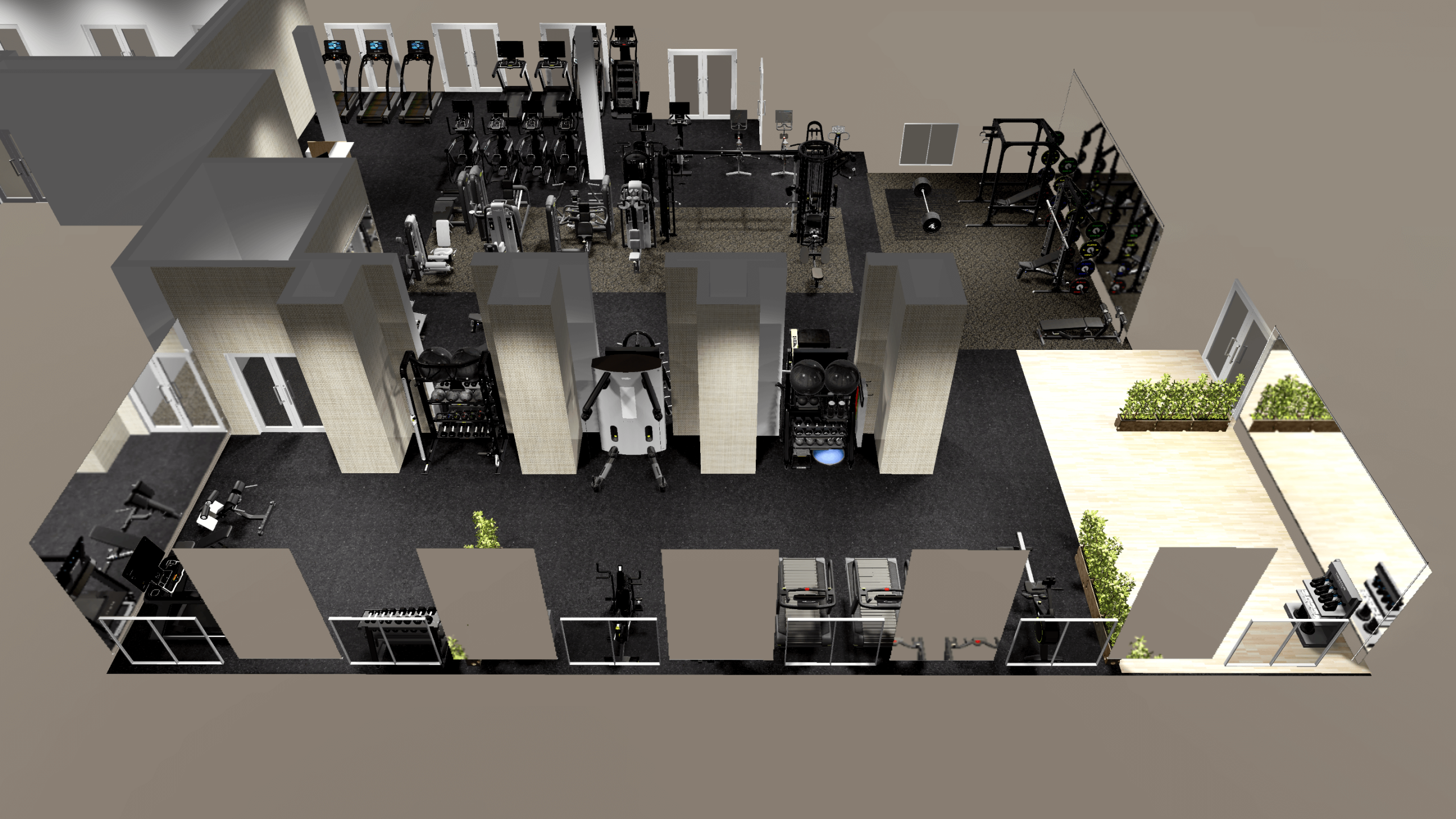
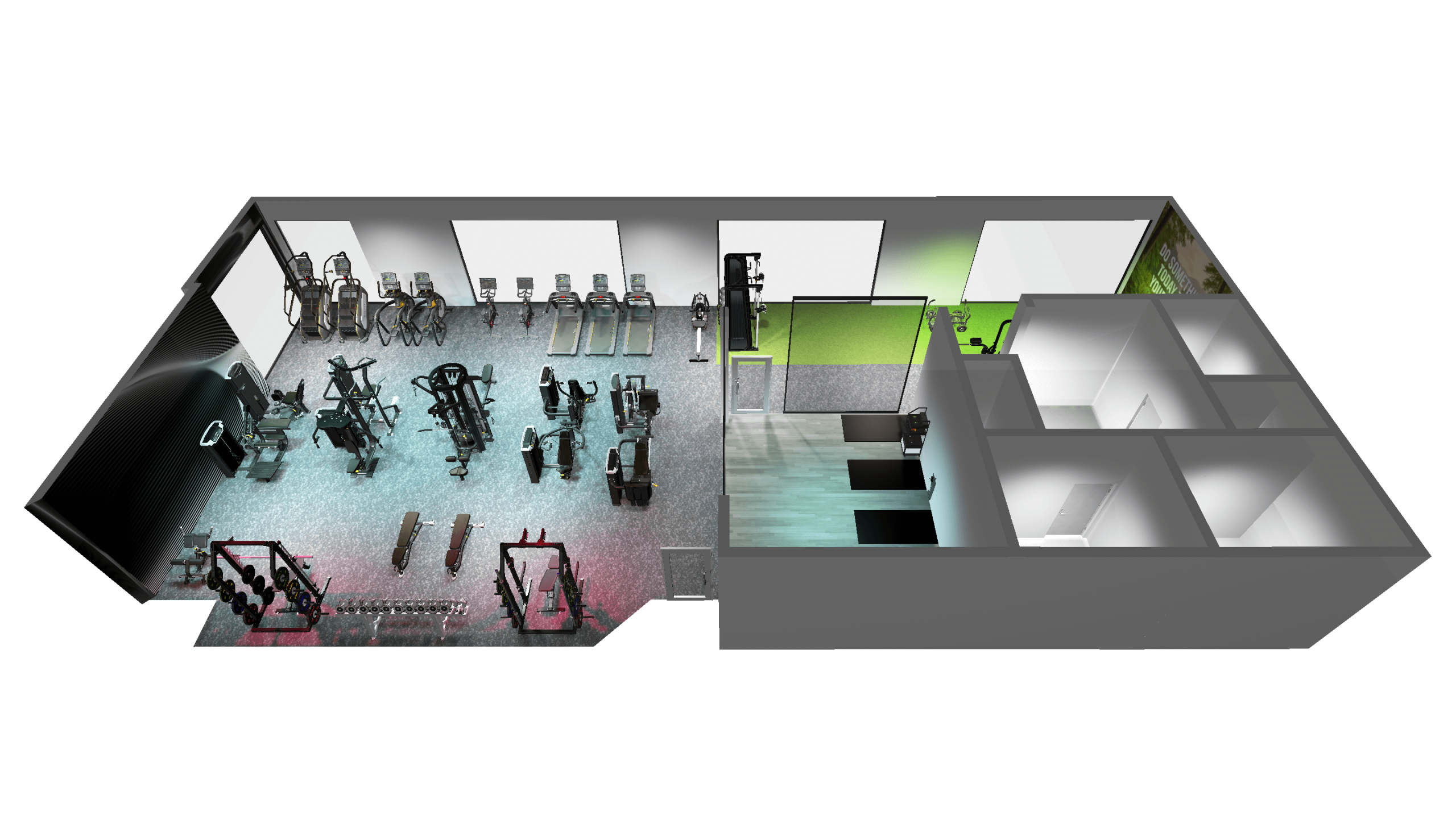
Author: Eric Konz, Opti-Fit Category: Commercial Fitness Design / Facility Planning Reading Time: 8 Minutes Executive Summary In the modern fitness industry, building a successful gym is no longer just about filling a room with heavy iron. It is an intricate puzzle where human biology, architectural psychology, and cutting-edge technology intersect. At Opti-Fit, we believe that the most effective workout environments are born from Innovative Design & Visualization—a process where the cold, hard facts of science meet the inspiring beauty of aesthetics. This article explores how leveraging spatial ergonomics, environmental psychology, and 3D visualization can transform a standard facility into a high-performance destination. The Evolution of Fitness Spaces: Design in Modern Gyms Beyond the “Iron Room” Historically, gym design was an afterthought. The prevailing logic was simple: buy equipment, place it in rows, and open the doors. However, the fitness landscape has shifted dramatically. Today’s members—whether in corporate wellness centers, universities, or commercial clubs—are sophisticated. They demand environments that not only house equipment but also enhance their physical capability and mental focus. This shift has moved facility planning from simple logistics to complex human-centric design. We are no longer just designing rooms; we are engineering experiences. This requires a deep understanding of the “why” before we ever tackle the “where.” The Three Pillars of High-Performance Design I. The Science of Space: Engineering the Flow Design in Modern Gyms When we design a fitness center at Opti-Fit, we let science dictate the layout. A floor plan is not a jigsaw puzzle of equipment; it is a map of human movement. Biomechanics and Spatial Ergonomics Every piece of equipment interacts with the human body in a specific way. Biomechanics tells us the range of motion required for a squat versus a bicep curl. Spatial ergonomics takes that data and applies it to the floor plan. For example, a functional trainer requires significantly more “dynamic clearance” than a selectorized chest press. If a user feels cramped, their range of motion is restricted, creating a safety hazard and reducing the efficacy of the workout. By calculating precise clearance zones, we ensure that: Optimizing Traffic Flow and Kinesiology Kinesiology informs how equipment should be grouped to facilitate a logical workout progression. A layout should mirror the physiological needs of a workout: Warm-up $\rightarrow$ Resistance Training $\rightarrow$ Metabolic Conditioning $\rightarrow$ Recovery. If a user has to cross a high-traffic walkway to get from the dumbbell rack to an adjustable bench, the flow is broken. This not only frustrates the user but increases the risk of injury during transitions. The Opti-Fit Standard: “Traffic flow must minimize transitions and reduce injury risk. We design ‘desire lines’—intuitive paths that guide users naturally from one zone to the next without congestion.” Zoning for Acoustics and Energy Separating high-intensity zones from recovery areas is critical for managing the acoustic ecology of the space. The clanging of weights and the high-tempo music of a HIIT zone should not bleed into the yoga or recovery studio. Strategic zoning uses sound-dampening flooring and acoustic barriers to contain energy where it is needed and preserve calm where it is not. II. The Aesthetics of Motivation: Psychology in Architecture While science handles the function, aesthetics handle the feeling. A dark, cramped basement might house the same weight plates as a world-class athletic center, but it will never yield the same psychological results. Environmental Psychology and Performance Environmental psychology plays a massive role in athletic performance. The brain responds to sensory inputs—light, color, texture—by releasing neurotransmitters that can either dampen or heighten arousal levels. At Opti-Fit, we utilize these principles to create an atmosphere that triggers a “get to work” mindset immediately upon entry. Color Theory and Lighting Different zones require different psychological triggers: Materiality and Brand Identity The tactile experience of a gym matters. The flooring texture, the finish on the walls, and the quality of the materials all communicate the value of the facility. Whether it’s the sleek, industrial look of a high-performance athletic center or the boutique luxury of a wellness club, the aesthetic defines the brand. Key Insight: “Design is the silent ambassador of your brand. A cohesive aesthetic tells your members that you care about their experience, which directly correlates to member retention.” III. Visualization: Seeing the Future Before It’s Built One of the biggest hurdles in facility development is the “imagination gap”—the disconnect between a 2D blueprint and the reality of the finished product. This is where Opti-Fit’s 3D Visualization technology changes the game. The Power of the Digital Twin We don’t just show you a blueprint; we provide a photorealistic digital twin of your future space. This is a fully rendered, to-scale simulation of the facility. This technology bridges the gap between concept and construction, offering three distinct advantages: 1. Experience the Scale Drawings can be deceiving. A machine might fit on paper, but in 3D, you might realize it blocks a window or creates a claustrophobic corner. Visualization allows stakeholders to understand exactly how the equipment fits within the architectural footprint, ensuring that the volume of the space feels right. 2. Test Aesthetics in Real-Time Should the flooring be rubber tile or turf? Should the accent wall be navy or charcoal? With 3D visualization, we can experiment with flooring textures, wall colors, and branding elements in real-time. This iterative process ensures that the final design aligns perfectly with your vision before any materials are ordered. 3. Optimize ROI and Capital Efficiency The most expensive mistakes are the ones you find after the concrete is poured. Visualization allows us to identify potential bottlenecks in the layout before a single piece of equipment is bolted down. IV. Why Choosing a Specialist Matters There is a common misconception that any architect or interior designer can layout a gym. However, merging science and aesthetics requires a partner who understands both the pulse of the fitness market and the rigors of commercial construction. The Specialist Advantage Generalist designers often overlook the nuance of fitness facilities: At Opti-Fit, our design-forward approach ensures that your

From Vision to Reality: A 5-Step Turnkey Design & Build Process

Transform your fitness facility with Opti-Fit’s 5-step turnkey design and build process. Learn how expert planning, 3D visualization, and white-glove installation create high-performance wellness ecosystems. In the modern landscape of commercial fitness, a facility must be more than just a room filled with machines. It must be a holistic destination—a “Third Place” that merges high-performance training with restorative wellness and vibrant community interaction. For facility owners, developers, and corporate wellness directors, the stakes are high. Recent data for 2025 shows that companies with comprehensive wellness programs see a $3.27 return on investment for every dollar spent, primarily through reduced healthcare costs and a 25-30% drop in absenteeism. In the multifamily sector, premium fitness amenities are now often ranked higher than pools, directly influencing lease renewals and reducing costly tenant turnover. Creating such an environment requires more than just buying equipment; it demands a cohesive vision, strategic planning, and flawless execution. At Opti-Fit, we have spent decades refining our craft, transforming empty spaces into high-performance fitness ecosystems for multifamily developments, corporate wellness centers, and municipalities across the West Coast. Our reputation is built on trust, transparency, and Experience. We adhere to a rigorous 5-Step Turnkey Design & Build Process, a structured methodology ensuring that every client journey is seamless, predictable, and aligned with your unique goals. Here is how we turn your vision into a reality. Step 1: Consultation & Strategic Planning – The Foundation of Success Every world-class facility begins with a conversation. However, our “Consultation” phase is not a standard sales meeting; it is a deep-dive discovery session led by industry veterans and certified Exercise Physiologists. The Exercise Physiologist Advantage What separates Opti-Fit from general equipment distributors is our depth of human performance knowledge. We don’t just understand equipment specifications; we understand human biology and metabolic demand. Site Evaluation & Feasibility We visit your location to conduct a technical assessment that goes far beyond the floor plan. We analyze traffic flow, electrical infrastructure (crucial for modern connected cardio), and spatial dynamics like natural light. This phase creates a feasibility roadmap, identifying potential challenges before they become costly change orders. Step 2: Innovative Design & Visualization – Where Science Meets Aesthetics Step two is where your vision begins to take physical form. In 2025, design is about more than just fitting equipment into a room; it’s about biomechanics, safety, and social psychology. Science-Backed Layouts Leveraging our expertise, we meticulously plan “zoning” to be intuitive and physiologically sound: The Rise of Recovery & Social Spaces Modern fitness is incomplete without recovery. With the “wellness real estate” market booming, we integrate dedicated Recovery Zones featuring infrared saunas and cold plunges—amenities that are becoming major differentiators in luxury multifamily markets. We also design for the “Third Place” concept—spaces where community thrives. By carving out post-workout lounges and co-working integration areas, we create “stickier” environments that keep users on-site longer, directly boosting retention rates. Photorealistic 3D Visualization To bridge the gap between concept and reality, we build a digital twin of your facility. You can “walk through” the sauna suites and strength floor before a single dollar is spent on construction, ensuring the final result matches your vision perfectly. Step 3: Procurement & Curated Equipment Selection – Unbiased Sourcing Choosing the right equipment can be overwhelming. As a distributor, our loyalty is to the client, not the factory. We offer unbiased recommendations to build the perfect ecosystem for your specific demographic. The “Best-in-Class” Philosophy We curate equipment from the industry’s most renowned brands to ensure durability and user engagement: We handle all logistics, providing a clear “Bill of Materials” and managing lead times to ensure equipment arrives exactly when the site is ready—eliminating storage fees and construction delays. Step 4: Installation & Project Management – Precision Execution The “Installation” phase is where our Experience truly shines. We act as your single point of contact, coordinating between general contractors, architects, flooring installers, and shippers. Logistics Coordination & White-Glove Service We ensure flooring is cured before heavy racks arrive and electrical sign-offs are complete before treadmills are plugged in. Our installation teams are certified professionals who understand the nuance of complex biomechanical machines. Step 5: Ongoing Support & Maintenance – A Long-Term Partnership At Opti-Fit, the installation is just the beginning. To protect your investment, we offer tailored Preventative Maintenance (PM) plans. Future-Proofing Your Facility As trends evolve—such as the current surge in demand for recovery modalities—we remain your consultant. We handle warranty claims and help you plan for future upgrades, ensuring your facility remains competitive for years to come. Whether you need to expand your cold plunge area or upgrade cardio consoles, we help you stay ahead of the curve. Ready to start your journey? Your facility has the potential to be a high-performance hub for health and community. Contact Opti-Fit Fitness Solutions today to speak with our design experts and Exercise Physiologists about bringing your vision to life. … CVMPOUND Gym | Opti-Fit Fitness Solutions … This video showcases a real-world example of Opti-Fit’s 5-step turnkey design, build, and installation capabilities, featuring a high-performance facility equipped with Atlantis Strength and Matrix Fitness equipment. Frequently Asked Questions

Matrix Fitness: Smart Cardio Investment for Multifamily ROI

In the highly competitive multifamily housing market, amenities are the currency of success. Among these, the fitness center reigns supreme, serving as a primary driver of leasing decisions, retention rates, and rental premiums. For property owners, developers, and managers, selecting equipment for this crucial amenity is perhaps the most significant long-term decision you will make. It’s a choice that dictates maintenance costs, resident satisfaction, and ultimately, your return on investment (ROI). As a leading provider and certified distributor of Matrix Fitness equipment, Opti-Fit understands this equation intimately. We don’t just supply fitness gear; we deliver commercial-grade performance ecosystems. And when it comes to cardio, there is no more reliable or resident-appealing choice than the Matrix portfolio. This article breaks down the three critical pillars that make Matrix Fitness cardio equipment—from their versatile treadmills and Ascent Trainers to their immersive consoles—a non-negotiable investment for Class A and B multifamily properties. Pillar 1: Uncompromising Commercial Durability and Longevity The number one priority in multifamily fitness center design is durability. Unlike a commercial gym that charges membership fees to maintain its equipment, your multifamily fitness center operates 24/7/365 with an ever-changing population of users. You need machines built for constant, high-mileage abuse. Matrix Fitness is built to surpass commercial standards, offering true long-term capital protection. Built for the Grind: The Internal Engineering Commercial-Grade Motors: Look specifically at the high-end Matrix treadmills. Many feature powerful AC motors (like those found in dedicated health clubs), which are superior to DC motors for continuous, heavy use. This ensures the machine responds quickly to adjustments (crucial for HIIT/interval training) and can handle high usage volumes without overheating or failure. The Ultimate Deck™ System: This patented cushioning system is a game-changer for durability and user comfort. It utilizes industrial-grade materials and a robust frame designed to withstand repeated impact over years of operation. For property owners, this translates directly into two major benefits: Lower Maintenance: Fewer deck replacements and component failures. Resident Satisfaction: Superior cushioning protects joints, offering a comfortable, high-performance experience that users rave about. Rigorous Testing: Matrix equipment undergoes extensive testing against the highest international standards, ensuring the entire lineup—from their ClimbMills to their ellipticals—can absorb the intense, non-stop use common in high-density residential facilities. This superior construction minimizes downtime, keeping your amenity operational and your residents happy. Pillar 2: The Immersive Technology and Connectivity Ecosystem Today’s resident is tech-savvy, connected, and expects a personalized workout experience that integrates seamlessly with their digital life. Matrix delivers this through its flexible console architecture, which is arguably the most powerful feature in its portfolio. Matrix Fitness Console Flexibility: Customizing the Experience Matrix offers a range of consoles that allow Opti-Fit to tailor the technology to your property’s budget and target demographic. The most advanced—the Touch and Touch XL consoles—are designed to mimic familiar smartphone and tablet interfaces, making them instantly intuitive for all users. A. Personalized Entertainment and Content The Matrix platform transforms a routine workout into an immersive journey: Streaming Services: Integrated apps like Netflix, YouTube, Spotify, and Hulu turn a 30-minute cardio session into a piece of dedicated entertainment time, ensuring residents stay engaged longer and use the facility more often. Virtual Active: This signature Matrix program allows users to travel through exotic, high-definition landscapes (from the Italian Alps to the beaches of Hawaii) that adjust dynamically to their speed and intensity—a powerful differentiator that elevates the workout experience far beyond static screens. Connected Fitness Apps: Residents can easily connect their Apple Watch and utilize popular tracking services via Bluetooth and ANT+, ensuring their workout data is captured and integrated into their overall fitness strategy. B. The Power of On-Demand Workouts The demand for virtual, instructor-led fitness has exploded. Matrix consoles integrate platforms like iFIT (on select models) and include proprietary high-intensity interval training (HIIT) programs like Sprint 8. This means residents have access to world-class coaching and structured workouts directly on the machine, providing a “boutique fitness studio” experience without ever leaving the community. Pillar 3: Maximizing ROI Through Asset Management For property managers, the greatest value in Matrix equipment lies not just in its use, but in its management. Matrix Connected Solutions provides robust, digital tools that save your team time, prevent failures, and maximize the lifespan of your investment. Smart Management with Asset Management (Facility 360) Matrix’s Asset Management solution is designed specifically for commercial environments like multifamily facilities: Remote Diagnostics: Cardio machines are connected via Wi-Fi, allowing the system to monitor usage patterns, performance data, and component health in real-time. This can often predict potential issues before they become catastrophic failures. Proactive Service Alerts: Instead of waiting for a resident complaint about a broken machine, the system automatically notifies the property manager and your service provider (Opti-Fit) when an issue is detected. This streamlined service communication dramatically reduces the machine’s downtime, often resulting in a quicker fix rate. Usage Tracking: Insightful reports provide a 360-degree view of your equipment status. You can track which machines are most popular, which are underutilized, and identify peak usage hours. This data is invaluable for future purchasing decisions and optimizing your equipment mix. By minimizing machine downtime and simplifying the service process, the Asset Management platform directly contributes to higher resident satisfaction scores and lower operating expenses—the very definition of a smart investment. The Opti-Fit Advantage: Your Strategic Partner Choosing Matrix is a crucial first step, but optimizing that investment requires expert partnership. Opti-Fit is proud to be a premier Matrix Fitness distributor, offering end-to-end solutions tailored specifically for the multifamily sector. We leverage the full power of the Matrix catalog—including the Lifestyle, Endurance, and Performance Series—to ensure your equipment mix perfectly aligns with your property class, resident profile, and budget. Our expertise covers: Needs Assessment: Determining the correct machine quantities and series based on your unit count and demographic. Facility Design: Ensuring ADA compliance, optimal floor planning, and crucial acoustic control. Seamless Integration: Guaranteeing the successful setup of the connected consoles and the Asset Management network. Dedicated Support: Providing reliable installation, training, and ongoing

Gym design
Elevating User Experience Through Strategic Fitness Center Layout
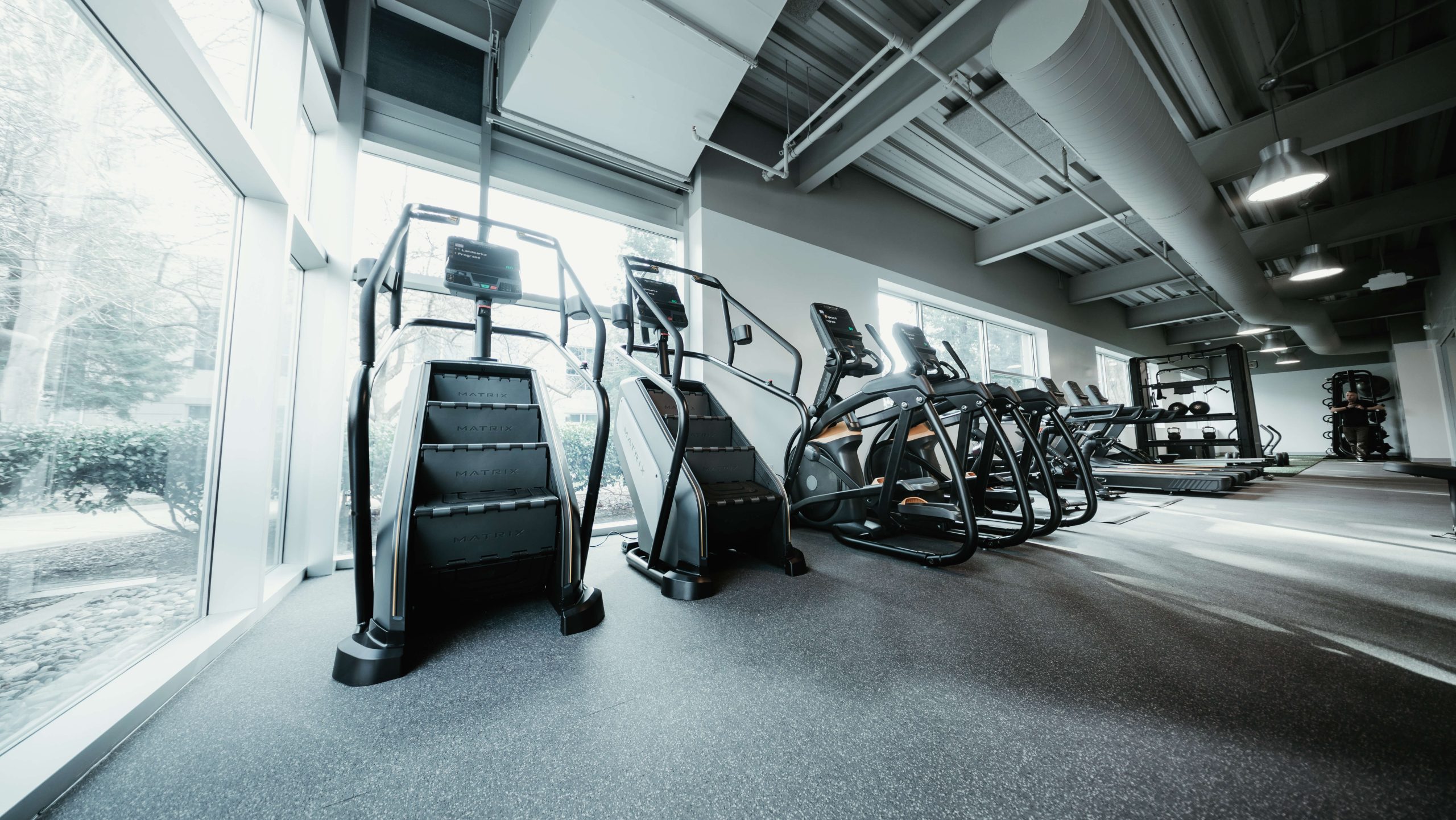
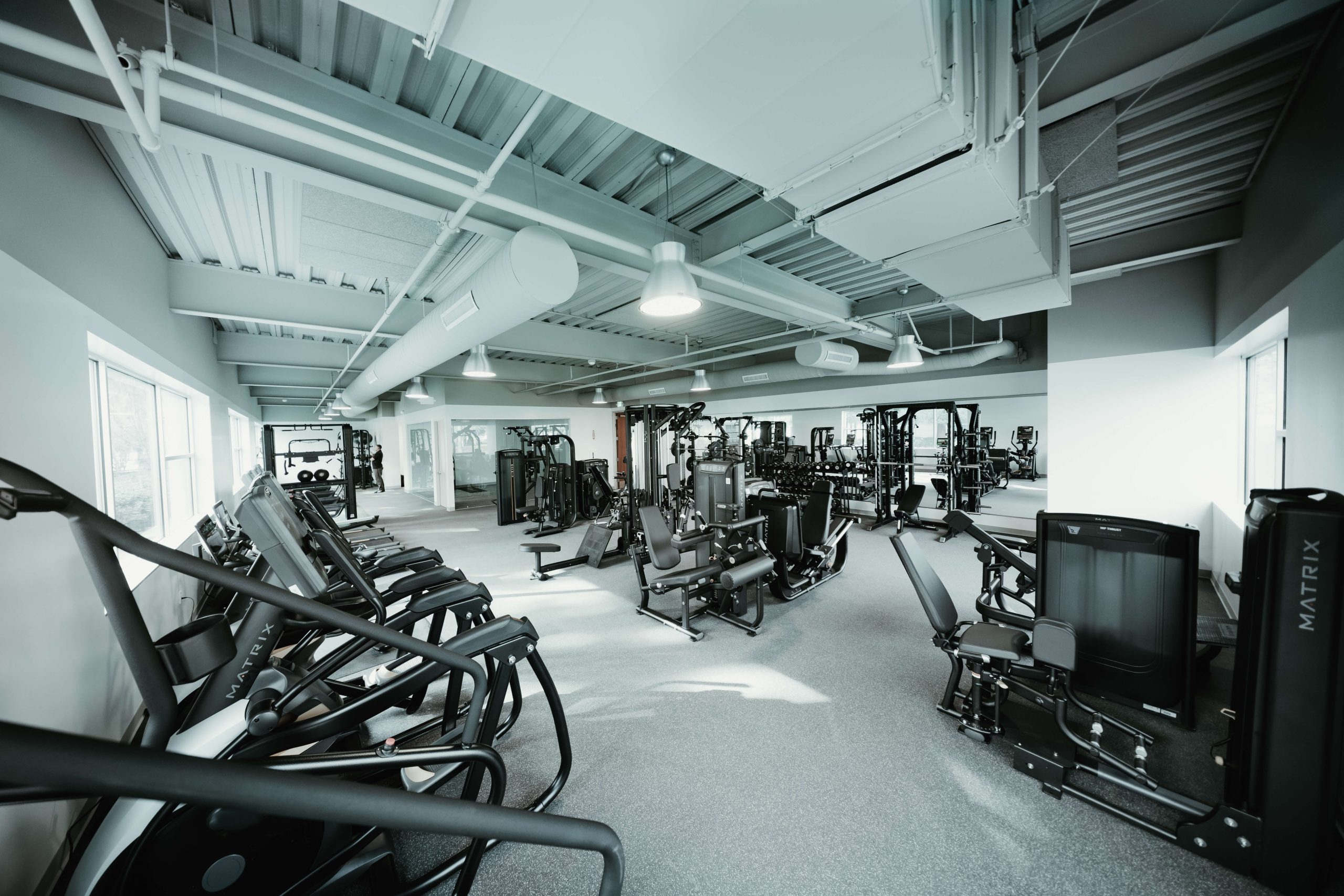
At Opti-Fit, we understand that exceptional fitness centers go beyond mere visual appeal. A strategically designed fitness center layout is crucial for crafting an outstanding user experience, enhancing member satisfaction, and fostering long-term engagement.

Maximizing ROI, Space, and Resident Retention

The Ultimate Guide to Commercial Gym Build-Outs The commercial fitness landscape has undergone a dramatic shift. Whether you are managing a luxury multifamily property, a boutique hotel, or a corporate campus on the West Coast, a fitness center is no longer just a checkbox amenity—it is a primary driver of acquisition, retention, and bottom-line revenue. Drawing on over 30 years of executive experience navigating the evolution of the fitness industry, it is clear that the difference between a facility that sits empty and one that drives significant ROI lies in strategic design, biomechanical equipment selection, and expert execution. To help property managers and facility directors navigate this complex process, we have compiled a definitive guide that answers the top questions about commercial fitness build-outs. This guide is optimized to provide direct, actionable insights for your next project. 1. How to Turn Your Multifamily Gym Amenity Into a Revenue Driver The Short Answer: To turn a gym into a revenue driver, property managers must transition from a “cost-center” mindset to a “profit-center” strategy. This is achieved by installing premium, biomechanically sound equipment that justifies higher lease premiums and directly offsets a tenant’s need for a secondary, external gym membership. The Strategy: Modern tenants and hotel guests are highly educated about fitness. A room with a standard treadmill and a rack of mismatched dumbbells no longer impresses. When a multifamily housing complex invests in high-performance equipment—such as Woodway treadmills or Eleiko strength stations—it immediately elevates the property’s perceived value. 2. What is the Complete Process from 3D Design to Final Installation? The Short Answer: A successful commercial gym build-out follows a strict, phased approach: Initial Space Analysis, 3D Strategic Design, Equipment Curation & Procurement, Flooring Installation, and White-Glove Equipment Delivery. The Breakdown: Managing multiple vendors for a single room is a recipe for delays and budget overruns. Partnering with an end-to-end solutions provider like Opti-Fit streamlines the process: 3. How to Balance Luxury and Budget When Outfitting a Commercial Center The Short Answer: Balancing a budget requires strategic capital allocation. Invest heavily in high-touch, high-wear items—specifically premium cardio and functional focal points—while utilizing cost-effective, durable solutions for secondary strength accessories and storage. The Strategy: You do not need an unlimited budget to create a luxury experience; you need an optimized one. 4. Choosing Biomechanically Sound Equipment: Why It Matters The Short Answer: Biomechanically sound equipment is designed to mimic the natural movement paths of the human body. This drastically reduces joint stress, lowers the risk of user injury, and provides a smoother, more effective workout experience compared to standard, volume-produced machines. The Science of Selection: At Opti-Fit, we approach equipment selection as exercise physiologists, not just salespeople. When a machine forces a user into an unnatural plane of motion, it causes discomfort and potential liability. Brands like Atlantis Fitness and Eleiko engineer their equipment based on advanced kinesiology. 5. How to Optimize Floor Space in Small Hotel and Corporate Gyms The Short Answer: To maximize a small footprint, prioritize multi-functional equipment, utilize vertical storage solutions, and implement distinct “zones” to prevent bottlenecks. The Strategy: Square footage is often at a premium in hospitality and corporate environments. 6. What Amenities Actually Keep Residents? Driving Lease Renewals The Short Answer: Residents renew leases when a property’s amenities actively integrate into their daily lifestyle. A modern, cleanly designed fitness center equipped with smart technology and recovery tools is currently the top requested lifestyle amenity in multifamily housing. The Strategy: The modern fitness consumer cares about holistic wellness, not just lifting weights. To drive renewals, facilities must evolve beyond the basics: 7. How to Extend the Lifespan of Your Commercial Fitness Equipment The Short Answer: Equipment longevity is achieved through proactive, scheduled preventative maintenance, establishing strict cleaning protocols, and utilizing shock-absorbing performance flooring to protect internal machine components from impact vibration. The Strategy: Commercial equipment is a major capital expenditure; protecting that investment is paramount. 8. What to Know About Gym Layouts: Safety, Compliance, and Traffic Flow The Short Answer: A successful gym layout goes far beyond just fitting the maximum amount of equipment into a room. It’s a strategic puzzle that balances maximizing your square footage with keeping members safe, meeting strict accessibility standards, and creating an intuitive, frictionless environment where people actually enjoy working out. The Strategy: Designing a gym is not just about placing heavy objects in a room; it is an exercise in risk management and flow engineering. 9. Knowing When It’s Time to Revitalize Your Fitness Center The Short Answer: It is time to revitalize your gym when you experience frequent equipment out-of-order signs, when the aesthetic looks dated compared to the rest of your property, or when user engagement data (if tracked) shows a sharp decline in daily visits. The Strategy: An outdated gym can actually be a detractor rather than a neutral amenity. Guests and residents will judge the overall quality of your management based on the state of the fitness center. If your cardio machines lack modern screens or if the upholstery on your strength benches is cracked, it is time for an upgrade. A revitalization doesn’t always mean a full gut-job; sometimes, replacing the top 30% of your most heavily used equipment can breathe entirely new life into the space. 10. What to Look for in a Gym Equipment Distributor The Short Answer: Look for a distributor that offers end-to-end project management, acts as a consultant rather than a transactional vendor, and possesses deep, clinical knowledge of human biomechanics and facility ROI. The Strategy: The commercial fitness equipment market is saturated with volume-driven salespeople. To truly maximize your investment, you need a partner. Ready to Build a Space Your Residents Won’t Want to Leave? Stop guessing with your floor plan and let’s design a fitness center that actually drives your lease renewals. Whether you’re upgrading an outdated room or building a brand-new facility from the ground up, we know exactly how to maximize every single square foot for the best ROI.

Read More »
JB Fitness Portfolio

Top-Rated Commercial Weightlifting Equipment Suppliers: The Ultimate 2026 Guide

By Steve Colwell | Founder, President & CEO, Opti-Fit Fitness Solutions If you are developing a commercial fitness facility, a corporate wellness center, a university athletic weight room, or a luxury multi-family gym, choosing the right equipment is the most critical investment you will make. You aren’t just buying metal, cables, and upholstery; you are investing in member retention, biomechanical safety, and your facility’s long-term reputation and profitability. Equipment often accounts for 40% to 50% of your total startup costs. A poor choice leads to exorbitant maintenance fees and frustrated members, while the right choice creates a seamless, premium training experience. Quick Answer: Who are the top-rated commercial weightlifting equipment suppliers in 2026? The industry’s leading manufacturers include Matrix Fitness (best for comprehensive, tech-forward commercial outfitting), Eleiko (the undisputed gold standard for Olympic free weights and barbells), Atlantis Strength (unmatched for biomechanically precise, welded frames), and Hammer Strength (best for durable, plate-loaded machines). With over 25 years of experience in the fitness industry, a degree in Exercise Physiology and Nutrition from the University of Idaho, and a deep passion for architectural gym design, I approach equipment selection differently than a standard sales rep. I view a gym floor through the lens of the “science of exercise.” At Opti-Fit Fitness Solutions, we test the industry’s top gear extensively in our Lab to understand how it moves, how it lasts, and how it fits into a cohesive spatial design. Here is my expert analysis of the top-rated commercial weightlifting equipment suppliers, designed to help you make an informed, confident decision for your facility so you can outshine the competition. What Separates Elite Commercial Suppliers from the Rest? Before diving into specific brands, it is vital to understand the E-E-A-T (Experience, Expertise, Authoritativeness, and Trustworthiness) criteria that dictate commercial quality. The market is flooded with manufacturers claiming to offer “commercial grade” gear, but true commercial equipment must survive relentless, daily abuse. When I evaluate a supplier for an Opti-Fit design project, I look at four non-negotiable pillars: 1. Biomechanical Precision Equipment must mirror the body’s natural movement paths. Poor biomechanics lead to joint strain, muscle imbalances, and an increased risk of injury—which is a massive liability for gym owners. The best manufacturers utilize independent, converging, and diverging axes of motion. When a member performs a chest press, their hands should naturally converge at the top of the movement, just as they would with a pair of dumbbells. 2. Commercial-Grade Durability True commercial equipment is built using 11-gauge (or thicker) steel, robust robotic welding (rather than excessive bolting), and heavy-duty, tear-resistant upholstery. It must withstand thousands of hours of aggressive use without structural compromise. If a machine sways or rattles during a heavy lift, it does not belong in a commercial space. 3. Spatial Efficiency Floor space is premium real estate. Every square foot of your gym needs to generate value. The best suppliers engineer machines with compact footprints, or multi-functional capabilities (like dual-stack functional trainers integrated seamlessly into power racks), without sacrificing performance or safety. 4. Warranties and Global Support Networks Even the absolute best machines require maintenance over time. Cables wear out, and pulleys need lubrication. Top-rated suppliers offer lifetime warranties on structural frames, comprehensive multi-year coverage on moving parts, and—most importantly—a responsive global parts and service network so you never have an “Out of Order” sign sitting on your floor for weeks. The Elite Tier: Top Commercial Weightlifting Equipment Brands Reviewed When outfitting a commercial space, no single brand does everything perfectly. Your choice depends heavily on your demographic, budget, and floor plan. Let’s start with the manufacturer that currently offers the most comprehensive, turnkey ecosystem for modern facilities. 1. Matrix Fitness Application: Turnkey commercial gyms, luxury multi-family housing, and hospitality fitness centers. Matrix Fitness (part of Johnson Health Tech) is one of the fastest-growing commercial brands in the world. They offer a comprehensive ecosystem of both cardio and strength equipment. Their Ultra Series, Magnum Series, and Versa Series strength lines are known for sleek, modern aesthetics, intuitive tech integrations (like digital rep counters and smart tracking), and smooth, user-friendly operation. While Matrix excels in outfitting a tech-forward, aesthetically uniform space, some facilities cater specifically to elite strength athletes and Olympic lifters who demand perfection from their free weights. For that, we look to Sweden. 2. Eleiko Application: Olympic weightlifting centers, collegiate athletics, premium free-weight zones, and serious powerlifting gyms. Eleiko is the undisputed global leader in free weights, manufacturing the finest barbells and plates on the planet. Originating in Halmstad, Sweden, Eleiko equipment is certified by the IWF (International Weightlifting Federation), IPF (International Powerlifting Federation), and WPPO. Their proprietary Swedish steel yields a signature “whip,” and their bar knurling is widely considered the most perfect in the industry. Beyond bars and plates, their Prestera ecosystem offers incredibly modular, high-end racks. Eleiko provides the world’s best free weights, but when it comes to selectorized and plate-loaded machines built with the same uncompromising biomechanical standards, a Canadian brand takes the spotlight. 3. Atlantis Strength Application: High-end commercial gyms, bodybuilding facilities, and discerning fitness centers. Atlantis Strength is a Canadian manufacturer that flies slightly under the radar of the mainstream public but is fiercely beloved by industry veterans. Founded by bodybuilding champion Raymond Sansoucy, Atlantis focuses heavily on biomechanics and longevity. Their equipment is distinguished by predominantly welded frames rather than bolted pieces, which eliminates the swaying and loosening that occurs over time with lesser brands. Atlantis offers incredible precision, but when it comes to the undisputed pioneer of heavy-duty, plate-loaded lifting, one American brand stands out to anchor your strength floor. 4. Hammer Strength (Life Fitness) Application: Athletic performance centers, large-scale commercial gyms, and serious strength facilities. Hammer Strength, a subsidiary of Life Fitness, practically invented the modern plate-loaded machine. Designed originally by Gary Jones to replicate the body’s natural 3D movements, their Iso-Lateral technology allows users to move both limbs independently. This prevents dominant muscles from overcompensating and provides a smoother, safer lift. Essential Commercial Weighlifting Equipment Categories for a

Read More »
Design for modern gyms

The Science of Sweat: Unifying Biology, Psychology, and Design in Modern Gyms

Author: Eric Konz, Opti-Fit Category: Commercial Fitness Design / Facility Planning Reading Time: 8 Minutes Executive Summary In the modern fitness industry, building a successful gym is no longer just about filling a room with heavy iron. It is an intricate puzzle where human biology, architectural psychology, and cutting-edge technology intersect. At Opti-Fit, we believe that the most effective workout environments are born from Innovative Design & Visualization—a process where the cold, hard facts of science meet the inspiring beauty of aesthetics. This article explores how leveraging spatial ergonomics, environmental psychology, and 3D visualization can transform a standard facility into a high-performance destination. The Evolution of Fitness Spaces: Design in Modern Gyms Beyond the “Iron Room” Historically, gym design was an afterthought. The prevailing logic was simple: buy equipment, place it in rows, and open the doors. However, the fitness landscape has shifted dramatically. Today’s members—whether in corporate wellness centers, universities, or commercial clubs—are sophisticated. They demand environments that not only house equipment but also enhance their physical capability and mental focus. This shift has moved facility planning from simple logistics to complex human-centric design. We are no longer just designing rooms; we are engineering experiences. This requires a deep understanding of the “why” before we ever tackle the “where.” The Three Pillars of High-Performance Design I. The Science of Space: Engineering the Flow Design in Modern Gyms When we design a fitness center at Opti-Fit, we let science dictate the layout. A floor plan is not a jigsaw puzzle of equipment; it is a map of human movement. Biomechanics and Spatial Ergonomics Every piece of equipment interacts with the human body in a specific way. Biomechanics tells us the range of motion required for a squat versus a bicep curl. Spatial ergonomics takes that data and applies it to the floor plan. For example, a functional trainer requires significantly more “dynamic clearance” than a selectorized chest press. If a user feels cramped, their range of motion is restricted, creating a safety hazard and reducing the efficacy of the workout. By calculating precise clearance zones, we ensure that: Optimizing Traffic Flow and Kinesiology Kinesiology informs how equipment should be grouped to facilitate a logical workout progression. A layout should mirror the physiological needs of a workout: Warm-up $\rightarrow$ Resistance Training $\rightarrow$ Metabolic Conditioning $\rightarrow$ Recovery. If a user has to cross a high-traffic walkway to get from the dumbbell rack to an adjustable bench, the flow is broken. This not only frustrates the user but increases the risk of injury during transitions. The Opti-Fit Standard: “Traffic flow must minimize transitions and reduce injury risk. We design ‘desire lines’—intuitive paths that guide users naturally from one zone to the next without congestion.” Zoning for Acoustics and Energy Separating high-intensity zones from recovery areas is critical for managing the acoustic ecology of the space. The clanging of weights and the high-tempo music of a HIIT zone should not bleed into the yoga or recovery studio. Strategic zoning uses sound-dampening flooring and acoustic barriers to contain energy where it is needed and preserve calm where it is not. II. The Aesthetics of Motivation: Psychology in Architecture While science handles the function, aesthetics handle the feeling. A dark, cramped basement might house the same weight plates as a world-class athletic center, but it will never yield the same psychological results. Environmental Psychology and Performance Environmental psychology plays a massive role in athletic performance. The brain responds to sensory inputs—light, color, texture—by releasing neurotransmitters that can either dampen or heighten arousal levels. At Opti-Fit, we utilize these principles to create an atmosphere that triggers a “get to work” mindset immediately upon entry. Color Theory and Lighting Different zones require different psychological triggers: Materiality and Brand Identity The tactile experience of a gym matters. The flooring texture, the finish on the walls, and the quality of the materials all communicate the value of the facility. Whether it’s the sleek, industrial look of a high-performance athletic center or the boutique luxury of a wellness club, the aesthetic defines the brand. Key Insight: “Design is the silent ambassador of your brand. A cohesive aesthetic tells your members that you care about their experience, which directly correlates to member retention.” III. Visualization: Seeing the Future Before It’s Built One of the biggest hurdles in facility development is the “imagination gap”—the disconnect between a 2D blueprint and the reality of the finished product. This is where Opti-Fit’s 3D Visualization technology changes the game. The Power of the Digital Twin We don’t just show you a blueprint; we provide a photorealistic digital twin of your future space. This is a fully rendered, to-scale simulation of the facility. This technology bridges the gap between concept and construction, offering three distinct advantages: 1. Experience the Scale Drawings can be deceiving. A machine might fit on paper, but in 3D, you might realize it blocks a window or creates a claustrophobic corner. Visualization allows stakeholders to understand exactly how the equipment fits within the architectural footprint, ensuring that the volume of the space feels right. 2. Test Aesthetics in Real-Time Should the flooring be rubber tile or turf? Should the accent wall be navy or charcoal? With 3D visualization, we can experiment with flooring textures, wall colors, and branding elements in real-time. This iterative process ensures that the final design aligns perfectly with your vision before any materials are ordered. 3. Optimize ROI and Capital Efficiency The most expensive mistakes are the ones you find after the concrete is poured. Visualization allows us to identify potential bottlenecks in the layout before a single piece of equipment is bolted down. IV. Why Choosing a Specialist Matters There is a common misconception that any architect or interior designer can layout a gym. However, merging science and aesthetics requires a partner who understands both the pulse of the fitness market and the rigors of commercial construction. The Specialist Advantage Generalist designers often overlook the nuance of fitness facilities: At Opti-Fit, our design-forward approach ensures that your

Read More »

From Vision to Reality: A 5-Step Turnkey Design & Build Process

Transform your fitness facility with Opti-Fit’s 5-step turnkey design and build process. Learn how expert planning, 3D visualization, and white-glove installation create high-performance wellness ecosystems. In the modern landscape of commercial fitness, a facility must be more than just a room filled with machines. It must be a holistic destination—a “Third Place” that merges high-performance training with restorative wellness and vibrant community interaction. For facility owners, developers, and corporate wellness directors, the stakes are high. Recent data for 2025 shows that companies with comprehensive wellness programs see a $3.27 return on investment for every dollar spent, primarily through reduced healthcare costs and a 25-30% drop in absenteeism. In the multifamily sector, premium fitness amenities are now often ranked higher than pools, directly influencing lease renewals and reducing costly tenant turnover. Creating such an environment requires more than just buying equipment; it demands a cohesive vision, strategic planning, and flawless execution. At Opti-Fit, we have spent decades refining our craft, transforming empty spaces into high-performance fitness ecosystems for multifamily developments, corporate wellness centers, and municipalities across the West Coast. Our reputation is built on trust, transparency, and Experience. We adhere to a rigorous 5-Step Turnkey Design & Build Process, a structured methodology ensuring that every client journey is seamless, predictable, and aligned with your unique goals. Here is how we turn your vision into a reality. Step 1: Consultation & Strategic Planning – The Foundation of Success Every world-class facility begins with a conversation. However, our “Consultation” phase is not a standard sales meeting; it is a deep-dive discovery session led by industry veterans and certified Exercise Physiologists. The Exercise Physiologist Advantage What separates Opti-Fit from general equipment distributors is our depth of human performance knowledge. We don’t just understand equipment specifications; we understand human biology and metabolic demand. Site Evaluation & Feasibility We visit your location to conduct a technical assessment that goes far beyond the floor plan. We analyze traffic flow, electrical infrastructure (crucial for modern connected cardio), and spatial dynamics like natural light. This phase creates a feasibility roadmap, identifying potential challenges before they become costly change orders. Step 2: Innovative Design & Visualization – Where Science Meets Aesthetics Step two is where your vision begins to take physical form. In 2025, design is about more than just fitting equipment into a room; it’s about biomechanics, safety, and social psychology. Science-Backed Layouts Leveraging our expertise, we meticulously plan “zoning” to be intuitive and physiologically sound: The Rise of Recovery & Social Spaces Modern fitness is incomplete without recovery. With the “wellness real estate” market booming, we integrate dedicated Recovery Zones featuring infrared saunas and cold plunges—amenities that are becoming major differentiators in luxury multifamily markets. We also design for the “Third Place” concept—spaces where community thrives. By carving out post-workout lounges and co-working integration areas, we create “stickier” environments that keep users on-site longer, directly boosting retention rates. Photorealistic 3D Visualization To bridge the gap between concept and reality, we build a digital twin of your facility. You can “walk through” the sauna suites and strength floor before a single dollar is spent on construction, ensuring the final result matches your vision perfectly. Step 3: Procurement & Curated Equipment Selection – Unbiased Sourcing Choosing the right equipment can be overwhelming. As a distributor, our loyalty is to the client, not the factory. We offer unbiased recommendations to build the perfect ecosystem for your specific demographic. The “Best-in-Class” Philosophy We curate equipment from the industry’s most renowned brands to ensure durability and user engagement: We handle all logistics, providing a clear “Bill of Materials” and managing lead times to ensure equipment arrives exactly when the site is ready—eliminating storage fees and construction delays. Step 4: Installation & Project Management – Precision Execution The “Installation” phase is where our Experience truly shines. We act as your single point of contact, coordinating between general contractors, architects, flooring installers, and shippers. Logistics Coordination & White-Glove Service We ensure flooring is cured before heavy racks arrive and electrical sign-offs are complete before treadmills are plugged in. Our installation teams are certified professionals who understand the nuance of complex biomechanical machines. Step 5: Ongoing Support & Maintenance – A Long-Term Partnership At Opti-Fit, the installation is just the beginning. To protect your investment, we offer tailored Preventative Maintenance (PM) plans. Future-Proofing Your Facility As trends evolve—such as the current surge in demand for recovery modalities—we remain your consultant. We handle warranty claims and help you plan for future upgrades, ensuring your facility remains competitive for years to come. Whether you need to expand your cold plunge area or upgrade cardio consoles, we help you stay ahead of the curve. Ready to start your journey? Your facility has the potential to be a high-performance hub for health and community. Contact Opti-Fit Fitness Solutions today to speak with our design experts and Exercise Physiologists about bringing your vision to life. … CVMPOUND Gym | Opti-Fit Fitness Solutions … This video showcases a real-world example of Opti-Fit’s 5-step turnkey design, build, and installation capabilities, featuring a high-performance facility equipped with Atlantis Strength and Matrix Fitness equipment. Frequently Asked Questions

Read More »

Matrix Fitness: Smart Cardio Investment for Multifamily ROI

In the highly competitive multifamily housing market, amenities are the currency of success. Among these, the fitness center reigns supreme, serving as a primary driver of leasing decisions, retention rates, and rental premiums. For property owners, developers, and managers, selecting equipment for this crucial amenity is perhaps the most significant long-term decision you will make. It’s a choice that dictates maintenance costs, resident satisfaction, and ultimately, your return on investment (ROI). As a leading provider and certified distributor of Matrix Fitness equipment, Opti-Fit understands this equation intimately. We don’t just supply fitness gear; we deliver commercial-grade performance ecosystems. And when it comes to cardio, there is no more reliable or resident-appealing choice than the Matrix portfolio. This article breaks down the three critical pillars that make Matrix Fitness cardio equipment—from their versatile treadmills and Ascent Trainers to their immersive consoles—a non-negotiable investment for Class A and B multifamily properties. Pillar 1: Uncompromising Commercial Durability and Longevity The number one priority in multifamily fitness center design is durability. Unlike a commercial gym that charges membership fees to maintain its equipment, your multifamily fitness center operates 24/7/365 with an ever-changing population of users. You need machines built for constant, high-mileage abuse. Matrix Fitness is built to surpass commercial standards, offering true long-term capital protection. Built for the Grind: The Internal Engineering Commercial-Grade Motors: Look specifically at the high-end Matrix treadmills. Many feature powerful AC motors (like those found in dedicated health clubs), which are superior to DC motors for continuous, heavy use. This ensures the machine responds quickly to adjustments (crucial for HIIT/interval training) and can handle high usage volumes without overheating or failure. The Ultimate Deck™ System: This patented cushioning system is a game-changer for durability and user comfort. It utilizes industrial-grade materials and a robust frame designed to withstand repeated impact over years of operation. For property owners, this translates directly into two major benefits: Lower Maintenance: Fewer deck replacements and component failures. Resident Satisfaction: Superior cushioning protects joints, offering a comfortable, high-performance experience that users rave about. Rigorous Testing: Matrix equipment undergoes extensive testing against the highest international standards, ensuring the entire lineup—from their ClimbMills to their ellipticals—can absorb the intense, non-stop use common in high-density residential facilities. This superior construction minimizes downtime, keeping your amenity operational and your residents happy. Pillar 2: The Immersive Technology and Connectivity Ecosystem Today’s resident is tech-savvy, connected, and expects a personalized workout experience that integrates seamlessly with their digital life. Matrix delivers this through its flexible console architecture, which is arguably the most powerful feature in its portfolio. Matrix Fitness Console Flexibility: Customizing the Experience Matrix offers a range of consoles that allow Opti-Fit to tailor the technology to your property’s budget and target demographic. The most advanced—the Touch and Touch XL consoles—are designed to mimic familiar smartphone and tablet interfaces, making them instantly intuitive for all users. A. Personalized Entertainment and Content The Matrix platform transforms a routine workout into an immersive journey: Streaming Services: Integrated apps like Netflix, YouTube, Spotify, and Hulu turn a 30-minute cardio session into a piece of dedicated entertainment time, ensuring residents stay engaged longer and use the facility more often. Virtual Active: This signature Matrix program allows users to travel through exotic, high-definition landscapes (from the Italian Alps to the beaches of Hawaii) that adjust dynamically to their speed and intensity—a powerful differentiator that elevates the workout experience far beyond static screens. Connected Fitness Apps: Residents can easily connect their Apple Watch and utilize popular tracking services via Bluetooth and ANT+, ensuring their workout data is captured and integrated into their overall fitness strategy. B. The Power of On-Demand Workouts The demand for virtual, instructor-led fitness has exploded. Matrix consoles integrate platforms like iFIT (on select models) and include proprietary high-intensity interval training (HIIT) programs like Sprint 8. This means residents have access to world-class coaching and structured workouts directly on the machine, providing a “boutique fitness studio” experience without ever leaving the community. Pillar 3: Maximizing ROI Through Asset Management For property managers, the greatest value in Matrix equipment lies not just in its use, but in its management. Matrix Connected Solutions provides robust, digital tools that save your team time, prevent failures, and maximize the lifespan of your investment. Smart Management with Asset Management (Facility 360) Matrix’s Asset Management solution is designed specifically for commercial environments like multifamily facilities: Remote Diagnostics: Cardio machines are connected via Wi-Fi, allowing the system to monitor usage patterns, performance data, and component health in real-time. This can often predict potential issues before they become catastrophic failures. Proactive Service Alerts: Instead of waiting for a resident complaint about a broken machine, the system automatically notifies the property manager and your service provider (Opti-Fit) when an issue is detected. This streamlined service communication dramatically reduces the machine’s downtime, often resulting in a quicker fix rate. Usage Tracking: Insightful reports provide a 360-degree view of your equipment status. You can track which machines are most popular, which are underutilized, and identify peak usage hours. This data is invaluable for future purchasing decisions and optimizing your equipment mix. By minimizing machine downtime and simplifying the service process, the Asset Management platform directly contributes to higher resident satisfaction scores and lower operating expenses—the very definition of a smart investment. The Opti-Fit Advantage: Your Strategic Partner Choosing Matrix is a crucial first step, but optimizing that investment requires expert partnership. Opti-Fit is proud to be a premier Matrix Fitness distributor, offering end-to-end solutions tailored specifically for the multifamily sector. We leverage the full power of the Matrix catalog—including the Lifestyle, Endurance, and Performance Series—to ensure your equipment mix perfectly aligns with your property class, resident profile, and budget. Our expertise covers: Needs Assessment: Determining the correct machine quantities and series based on your unit count and demographic. Facility Design: Ensuring ADA compliance, optimal floor planning, and crucial acoustic control. Seamless Integration: Guaranteeing the successful setup of the connected consoles and the Asset Management network. Dedicated Support: Providing reliable installation, training, and ongoing

Read More »