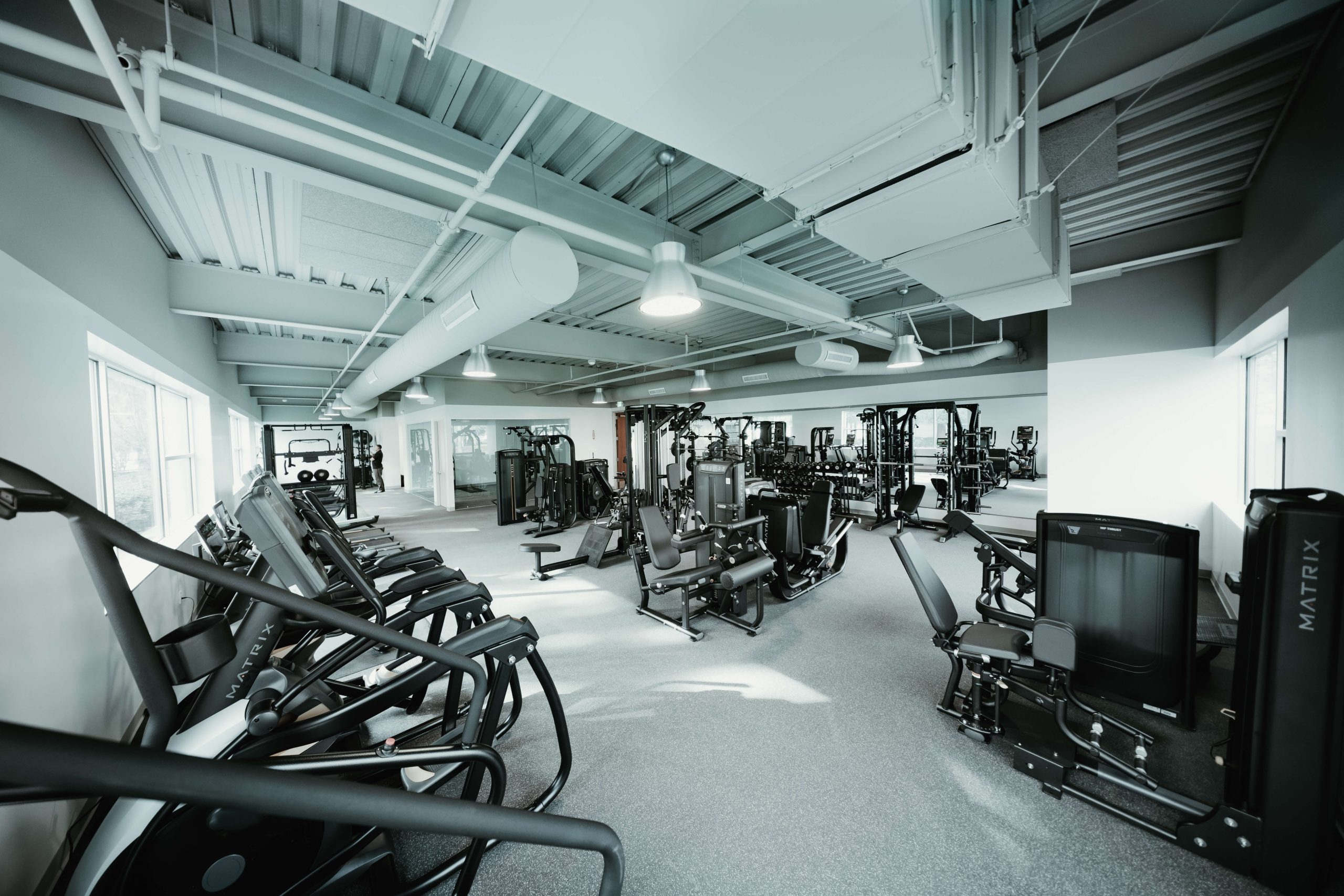
By Steve Colwell | Founder, President & CEO, Opti-Fit Fitness Solutions If you are developing a commercial fitness facility, a corporate wellness center, a university athletic weight room, or a luxury multi-family gym, choosing the right equipment is the most critical investment you will make. You aren’t just buying metal, cables, and upholstery; you are investing in member retention, biomechanical safety, and your facility’s long-term reputation and profitability. Equipment often accounts for 40% to 50% of your total startup costs. A poor choice leads to exorbitant maintenance fees and frustrated members, while the right choice creates a seamless, premium training experience. Quick Answer: Who are the top-rated commercial weightlifting equipment suppliers in 2026? The industry’s leading manufacturers include Matrix Fitness (best for comprehensive, tech-forward commercial outfitting), Eleiko (the undisputed gold standard for Olympic free weights and barbells), Atlantis Strength (unmatched for biomechanically precise, welded frames), and Hammer Strength (best for durable, plate-loaded machines). With over 25 years of experience in the fitness industry, a degree in Exercise Physiology and Nutrition from the University of Idaho, and a deep passion for architectural gym design, I approach equipment selection differently than a standard sales rep. I view a gym floor through the lens of the “science of exercise.” At Opti-Fit Fitness Solutions, we test the industry’s top gear extensively in our Lab to understand how it moves, how it lasts, and how it fits into a cohesive spatial design. Here is my expert analysis of the top-rated commercial weightlifting equipment suppliers, designed to help you make an informed, confident decision for your facility so you can outshine the competition. What Separates Elite Commercial Suppliers from the Rest? Before diving into specific brands, it is vital to understand the E-E-A-T (Experience, Expertise, Authoritativeness, and Trustworthiness) criteria that dictate commercial quality. The market is flooded with manufacturers claiming to offer “commercial grade” gear, but true commercial equipment must survive relentless, daily abuse. When I evaluate a supplier for an Opti-Fit design project, I look at four non-negotiable pillars: 1. Biomechanical Precision Equipment must mirror the body’s natural movement paths. Poor biomechanics lead to joint strain, muscle imbalances, and an increased risk of injury—which is a massive liability for gym owners. The best manufacturers utilize independent, converging, and diverging axes of motion. When a member performs a chest press, their hands should naturally converge at the top of the movement, just as they would with a pair of dumbbells. 2. Commercial-Grade Durability True commercial equipment is built using 11-gauge (or thicker) steel, robust robotic welding (rather than excessive bolting), and heavy-duty, tear-resistant upholstery. It must withstand thousands of hours of aggressive use without structural compromise. If a machine sways or rattles during a heavy lift, it does not belong in a commercial space. 3. Spatial Efficiency Floor space is premium real estate. Every square foot of your gym needs to generate value. The best suppliers engineer machines with compact footprints, or multi-functional capabilities (like dual-stack functional trainers integrated seamlessly into power racks), without sacrificing performance or safety. 4. Warranties and Global Support Networks Even the absolute best machines require maintenance over time. Cables wear out, and pulleys need lubrication. Top-rated suppliers offer lifetime warranties on structural frames, comprehensive multi-year coverage on moving parts, and—most importantly—a responsive global parts and service network so you never have an “Out of Order” sign sitting on your floor for weeks. The Elite Tier: Top Commercial Weightlifting Equipment Brands Reviewed When outfitting a commercial space, no single brand does everything perfectly. Your choice depends heavily on your demographic, budget, and floor plan. Let’s start with the manufacturer that currently offers the most comprehensive, turnkey ecosystem for modern facilities. 1. Matrix Fitness Application: Turnkey commercial gyms, luxury multi-family housing, and hospitality fitness centers. Matrix Fitness (part of Johnson Health Tech) is one of the fastest-growing commercial brands in the world. They offer a comprehensive ecosystem of both cardio and strength equipment. Their Ultra Series, Magnum Series, and Versa Series strength lines are known for sleek, modern aesthetics, intuitive tech integrations (like digital rep counters and smart tracking), and smooth, user-friendly operation. While Matrix excels in outfitting a tech-forward, aesthetically uniform space, some facilities cater specifically to elite strength athletes and Olympic lifters who demand perfection from their free weights. For that, we look to Sweden. 2. Eleiko Application: Olympic weightlifting centers, collegiate athletics, premium free-weight zones, and serious powerlifting gyms. Eleiko is the undisputed global leader in free weights, manufacturing the finest barbells and plates on the planet. Originating in Halmstad, Sweden, Eleiko equipment is certified by the IWF (International Weightlifting Federation), IPF (International Powerlifting Federation), and WPPO. Their proprietary Swedish steel yields a signature “whip,” and their bar knurling is widely considered the most perfect in the industry. Beyond bars and plates, their Prestera ecosystem offers incredibly modular, high-end racks. Eleiko provides the world’s best free weights, but when it comes to selectorized and plate-loaded machines built with the same uncompromising biomechanical standards, a Canadian brand takes the spotlight. 3. Atlantis Strength Application: High-end commercial gyms, bodybuilding facilities, and discerning fitness centers. Atlantis Strength is a Canadian manufacturer that flies slightly under the radar of the mainstream public but is fiercely beloved by industry veterans. Founded by bodybuilding champion Raymond Sansoucy, Atlantis focuses heavily on biomechanics and longevity. Their equipment is distinguished by predominantly welded frames rather than bolted pieces, which eliminates the swaying and loosening that occurs over time with lesser brands. Atlantis offers incredible precision, but when it comes to the undisputed pioneer of heavy-duty, plate-loaded lifting, one American brand stands out to anchor your strength floor. 4. Hammer Strength (Life Fitness) Application: Athletic performance centers, large-scale commercial gyms, and serious strength facilities. Hammer Strength, a subsidiary of Life Fitness, practically invented the modern plate-loaded machine. Designed originally by Gary Jones to replicate the body’s natural 3D movements, their Iso-Lateral technology allows users to move both limbs independently. This prevents dominant muscles from overcompensating and provides a smoother, safer lift. Essential Commercial Weighlifting Equipment Categories for a